Aphananthe philippinensis
Planch.
Rough-leaved elm, Grey handlewood
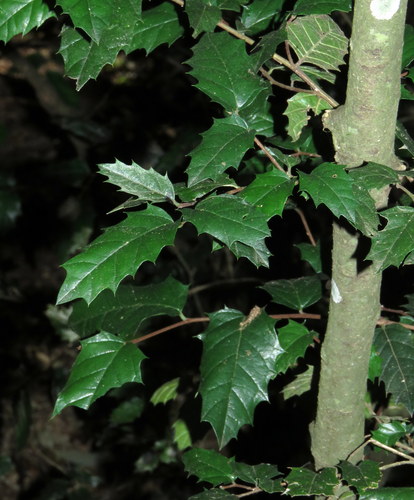
(c) Victor W Fazio III, some rights reserved (CC BY-NC), uploaded by Victor W Fazio III
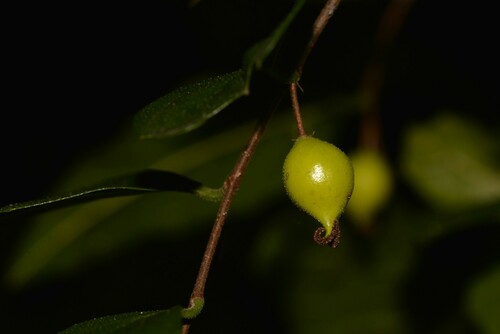
(c) Nick Lambert, some rights reserved (CC BY-NC-SA), uploaded by Nick Lambert
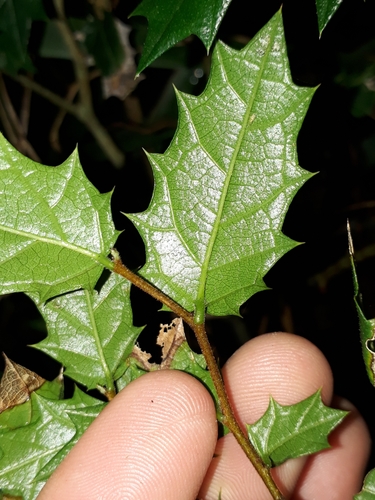
(c) Nick Lambert, some rights reserved (CC BY-NC-SA), uploaded by Nick Lambert
What to Eat
Edible parts: Fruit
The fruit are eaten and are claimed to taste like stewed apples.
Where to Find It
It is a tropical plant. It grows in drier rainforest and along rivers. It grows from sea level to 900 m above sea level.
Asia, Australia, New Guinea, Pacific, Philippines, SE Asia, Solomon Islands,
How to Identify
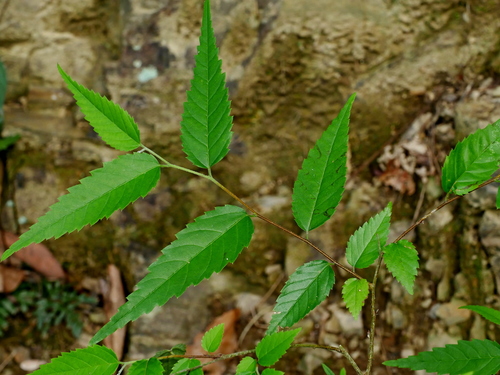
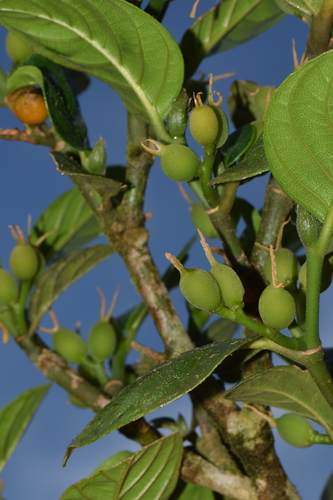
A medium sized tree. It grows 8-12 m tall. The trunk is irregular and has buttresses at the base. The leaves are dark green above and have a rough surface. They are simple, alternate and have sharp teeth. They are narrowly oval and 3-10 cm long. Male and female flowers are separate. The flowers are small and cream to green. The fruit are greenish-yellow. They turn black when ripe.
How to Grow
Plants can be grown from fresh seed. The flesh is removed before planting.
Wikipedia
Source ↗Aphananthe philippinensis is a common rainforest tree in the family Cannabaceae. In Australia it occurs from the Manning River in New South Wales to near Herberton in tropical Queensland. It was first described from the island of Luzon in the Philippines, hence the species name. The generic name of Aphananthe refers to 'insignificant flowers'. This plant also occurs on the Solomon Islands and in Papua New Guinea The Australian habitat includes dry rainforest sites. However, it is mostly seen by streams on moist alluvial soils. Common names in Australia include native elm, grey handlewood, axe-handle wood, rough-leaved hickory and asbestos tree.
Production
It is slow growing.
Names & Synonyms
References (3)
- Edible and Useful Native Plants (off internet)
- Melzer, R. & Plumb, J., 2011, Plants of Capricornia. Belgamba, Rockhampton. p 349
- The Fort Bushland Reserve - February 2008. Off the internet.