Macrocybe gigantea
(Massee) Pegler & Lodge
TricholomataceaeMushrooms
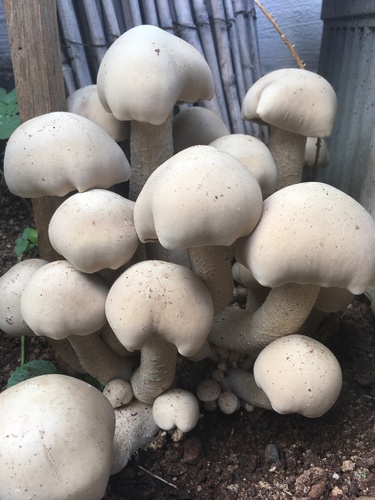
iNaturalist · cc-by-nc
(c) Copris, some rights reserved (CC BY-NC), uploaded by Copris
(c) Copris, some rights reserved (CC BY-NC), uploaded by Copris
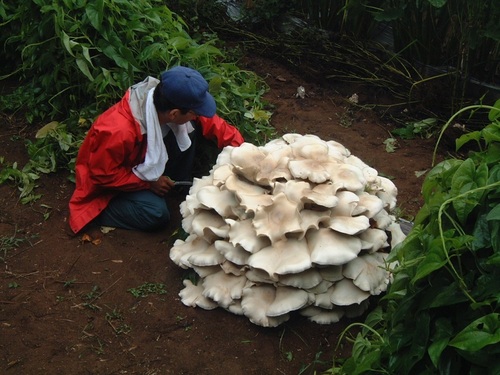
iNaturalist · cc-by-nc
(c) yah_japan, some rights reserved (CC BY-NC), uploaded by yah_japan
(c) yah_japan, some rights reserved (CC BY-NC), uploaded by yah_japan
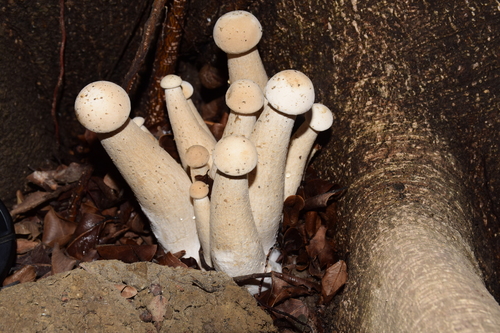
iNaturalist · cc-by
(c) Jie-Hao Ou, some rights reserved (CC BY), uploaded by Jie-Hao Ou
(c) Jie-Hao Ou, some rights reserved (CC BY), uploaded by Jie-Hao Ou
What to Eat
Edible parts: Mushroom, Fungus
The mushroom fruiting body is edible.
Where to Find It
It is a tropical plant.
Asia, India, Laos, SE Asia,
Countries: United Arab Emirates, Afghanistan, Armenia, Azerbaijan, Bangladesh, Bahrain, Brunei, Bhutan, China, Georgia, Indonesia, Israel, India, Iraq, Iran, Jordan, Japan, Kyrgyzstan, Cambodia, North Korea, South Korea, Kuwait, Kazakhstan, Laos, Lebanon, Sri Lanka, Myanmar, Mongolia, Maldives, Malaysia, Nepal, Oman, Philippines, Pakistan, Qatar, Saudi Arabia, Singapore, Syria, Thailand, Tajikistan, Timor-Leste, Turkmenistan, Turkey, Taiwan, Uzbekistan, Vietnam, Yemen
How to Identify
A tropical mushroom in the family Tricholomataceae that is sold in local markets.
Wikipedia
Source ↗Macrocybe gigantea is a species of mushroom-forming fungus that is native to India (West Bengal), Pakistan, and Nepal.
Other Information
It is sold in local markets.
Names & Synonyms
Het tin sang
References (2)
- Boa, E. R., Wild edible fungi and their importance to people. FAO Non Wood Forest Products Booklet 17
- Luczaj, L., et al, 2021, Wild food plants and fungi sold in the markets of Luang Prabang, Lao PDR. Journal of Ethnobiology and Ethnomedicine (2021) 17:6


