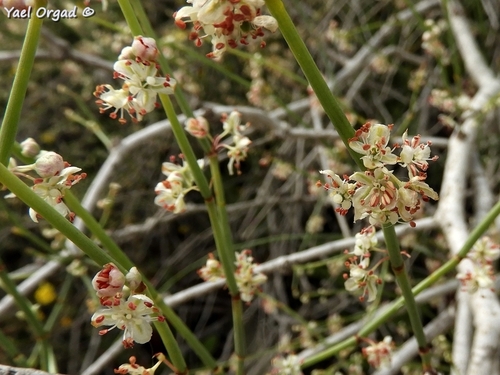
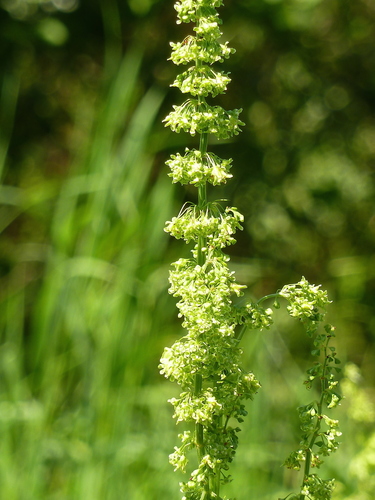
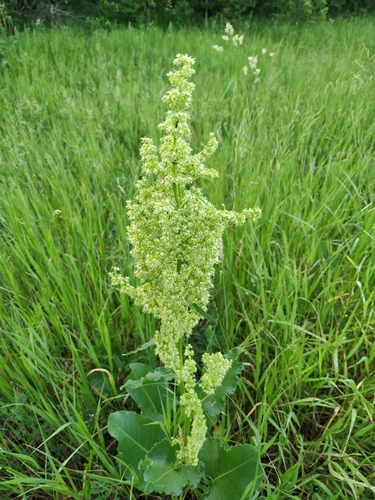
Rumex confertus
Willd.
PolygonaceaeLeaves

iNaturalist · cc-by-nc
(c) Мария Филатова, some rights reserved (CC BY-NC), uploaded by Мария Филатова
(c) Мария Филатова, some rights reserved (CC BY-NC), uploaded by Мария Филатова
iNaturalist · cc-by-nc
(c) Serge M. Appolonov, some rights reserved (CC BY-NC), uploaded by Serge M. Appolonov
(c) Serge M. Appolonov, some rights reserved (CC BY-NC), uploaded by Serge M. Appolonov
iNaturalist · cc-by-nc
(c) Смолянинова Ирина Владимировна, some rights reserved (CC BY-NC), uploaded by Смолянинова Ирина Владимировна
(c) Смолянинова Ирина Владимировна, some rights reserved (CC BY-NC), uploaded by Смолянинова Ирина Владимировна
What to Eat
Edible parts: Leaves
The leaves are eaten fresh or used in soup.
Where to Find It
It is a temperate plant.
Asia, Belarus, Central Asia, China, Europe, Kazakhstan, North America, Russia,
Countries: Andorra, United Arab Emirates, Afghanistan, Antigua & Barbuda, Albania, Armenia, Austria, Azerbaijan, Bosnia & Herzegovina, Barbados, Bangladesh, Belgium, Bulgaria, Bahrain, Brunei, Bahamas, Bhutan, Belarus, Belize, Canada, Switzerland, China, Costa Rica, Cuba, Cyprus, Czechia, Germany, Denmark, Dominica, Dominican Republic, Estonia, Spain, Finland, France, United Kingdom, Grenada, Georgia, Greece, Guatemala, Honduras, Croatia, Haiti, Hungary, Indonesia, Ireland, Israel, India, Iraq, Iran, Iceland, Italy, Jamaica, Jordan, Japan, Kyrgyzstan, Cambodia, St Kitts & Nevis, North Korea, South Korea, Kuwait, Kazakhstan, Laos, Lebanon, St Lucia, Liechtenstein, Sri Lanka, Lithuania, Luxembourg, Latvia, Monaco, Moldova, Montenegro, North Macedonia, Myanmar, Mongolia, Malta, Maldives, Mexico, Malaysia, Nicaragua, Netherlands, Norway, Nepal, Oman, Panama, Philippines, Pakistan, Poland, Puerto Rico, Portugal, Qatar, Romania, Serbia, Russia, Saudi Arabia, Sweden, Singapore, Slovenia, Slovakia, San Marino, El Salvador, Syria, Thailand, Tajikistan, Timor-Leste, Turkmenistan, Turkey, Trinidad & Tobago, Taiwan, Ukraine, United States, Uzbekistan, St Vincent, Vietnam, Yemen
How to Identify
An erect herb in the Polygonaceae family that grows 40-50 cm tall and is found in temperate regions.
Wikipedia
Source ↗Rumex confertus (Armenian dock) is a flowering plant species in the family Polygonaceae. It grows quickly, reproduces from rhizomes and seed, and produces large quantities of viable seed. Its seed is adapted for wind and water dispersal and exhibits a high rate of germination.
Names & Synonyms
Konskii shchavel', Shchavyey
References (4)
- Aipeisova S.A., et al, 2019, Wild useful herbs of Aktobe Region (Western Kazakhstan). Ukrainian Journal of Ecology, 9(3), 329-331
- Flora of China @ efloras.org Volume 5
- Kolosova, V., et al, 2020, Foraging in Boreal Forest: Wild Food Plants of the Republic of Karelia, NW Russia. Foods 2020, 9, 1015; p 19
- Luczaj, L. et al, 2013, Wild edible plants of Belarus: from Rostakinski's questionnaire of 1883 to the present. Journal of Ethnobiology and Ethnomedicine 9:21