Butia catarinensis
Noblick & Lorenzi
Coastal jelly palm

iNaturalist · cc-by-nc
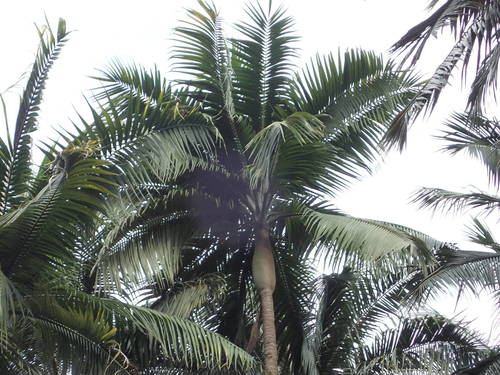
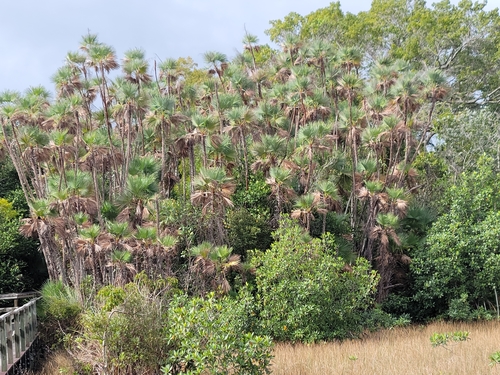
(c) João Gava Just, some rights reserved (CC BY-NC), uploaded by João Gava Just
(c) João Gava Just, some rights reserved (CC BY-NC), uploaded by João Gava Just
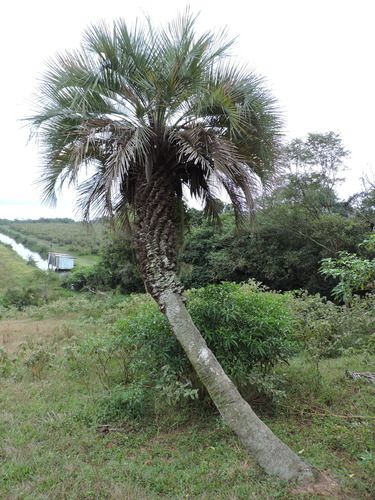
iNaturalist · cc-by
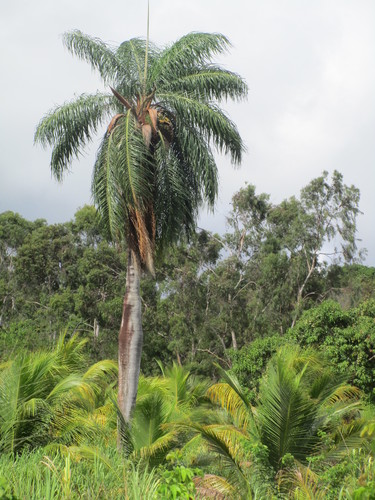
(c) Fabrício Mil Homens Riella, some rights reserved (CC BY)
(c) Fabrício Mil Homens Riella, some rights reserved (CC BY)
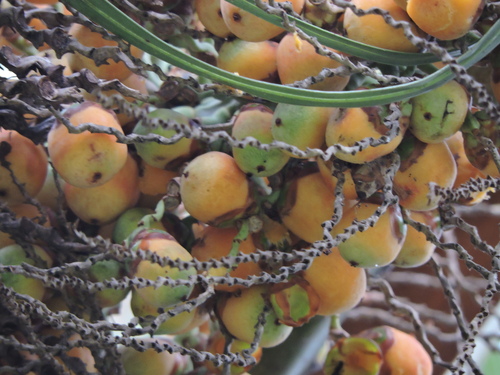
iNaturalist · cc-by
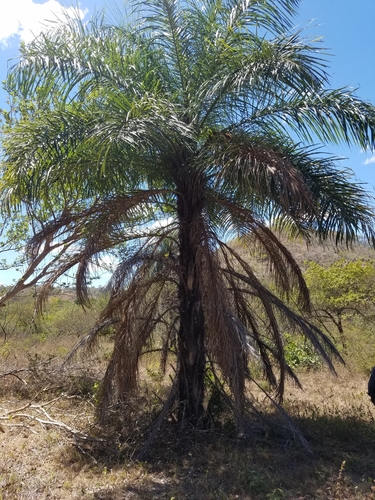
(c) Fabrício Mil Homens Riella, some rights reserved (CC BY)
(c) Fabrício Mil Homens Riella, some rights reserved (CC BY)
What to Eat
Edible parts: Fruit
The edible fruit of this palm are collected for myriad uses where the trees grow naturally in Brazil.
Where to Find It
It is a tropical plant.
Brazil*, South America,
How to Identify
A small palm. It grows in dense clusters. It grows 2 m high.
Nutrition Score: 34/100
| Part | Moisture | kJ | kcal | Protein | Vit A | Vit C | Iron | Zinc |
|---|---|---|---|---|---|---|---|---|
| Fruit | 82.8 | 265 | 64 | 0.9 | — | 81.3 | 0.3 | 0.2 |
Wikipedia
Source ↗Butia catarinensis is a mid-sized species of Butia palm native to the states of Rio Grande do Sul, Santa Catarina in Brazil.
Names & Synonyms
Butia, Butiazeiro-anao-da-praia
References (7)
- Barbieri, R. L., et al, 2014, Agricultural Biodiversity in Southern Brazil: Integrating Efforts for Conservation and Use of Neglected and Underutilized Species. Sustainability 6:741-757
- Brack, P., et al, 2020, Frutas nativas do Rio Grande do Sul, Brasil: riqueza e potencial alimentício. Native fruits of Rio Grande do Sul, Brazil: richness and potential as food. Rodriguésia 71: e03102018.
- Brazil: Biodiversity for Food and Nutrition
- Coradin, L. et al (Eds), 2011, Especies Nativas da Flora Brasileira de Valor Economico Atual ou Potencial. Brasilia MMA. p 130
- Hunter, D., et al, 2019, The potential of neglected and underutilized species for improving diets and nutrition. Planta (2019) 250:709-729
- Kumagai, L. & Hanazaki, N., 2013, Ethnobotanical and ethnoecological study of Butia catarinensis Noblick & Lornezi: contributions to the conservation of an endangered area in southern Brazil. Acta Botanica Brasilica 27(1): 13-20
- Leal, M. L. et al, 2018, Knowledge, use, and disuse of unconventional food plants. Journal of Ethnobiology and Ethnomedicine (2018) 14:6