Attalea pindobassu
Bondar

iNaturalist · cc-by-sa
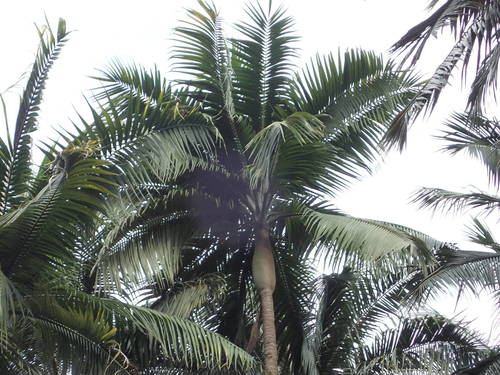
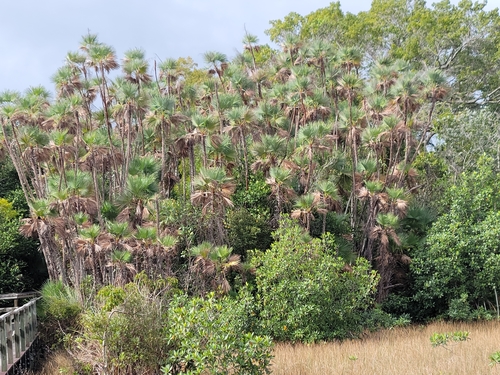
(c) vitordematos12, some rights reserved (CC BY-SA), uploaded by vitordematos12
(c) vitordematos12, some rights reserved (CC BY-SA), uploaded by vitordematos12

iNaturalist · cc-by-nc-nd
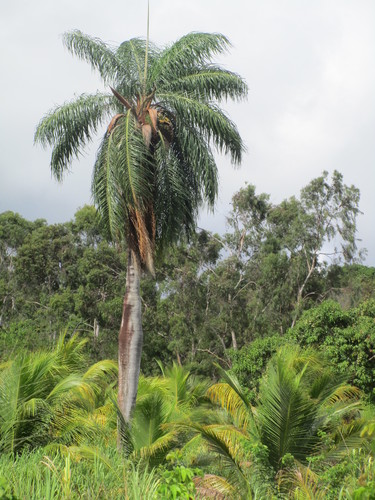
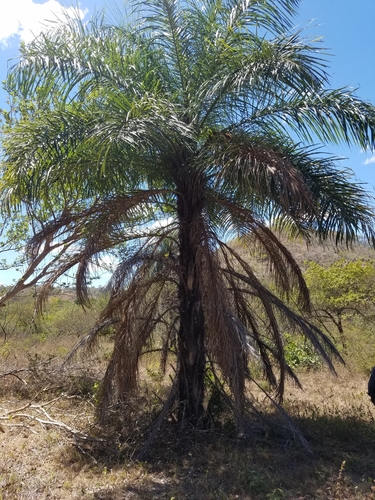
(c) Víctor de Paiva, some rights reserved (CC BY-NC-ND), uploaded by Víctor de Paiva
(c) Víctor de Paiva, some rights reserved (CC BY-NC-ND), uploaded by Víctor de Paiva
What to Eat
Edible parts: Fruit, Bud, Cabbage, Seeds - oil
The fruit are eaten raw. The terminal bud can be eaten, though harvesting it kills the palm. Seeds can be used for oil.
Known Hazards
Where to Find It
It is a tropical plant. It grows in wet lower slopes and valleys. It occurs between 350-900 m above sea level.
Brazil, South America,
How to Identify
A single stemmed palm. It grows 25 m tall. The trunk can be 35-50 cm across. The crown has 15-25 stiff leaves. They stick upwards. They can be 9 m long.
How to Grow
Plants can be grown from seed.
Other Uses
The leaves are used in dwellings. The report is not specific - the leaves are probably used as thatch and could also be used in making wall and other parts of the buildings.
References (2)
- Fern, K., 2012, Tropical Species Database http://theferns.info/tropical/
- Glassman, A Taxonomic Treatment of the Palm Subtribe Attaleinae (Tribe Cocoeae). p 53