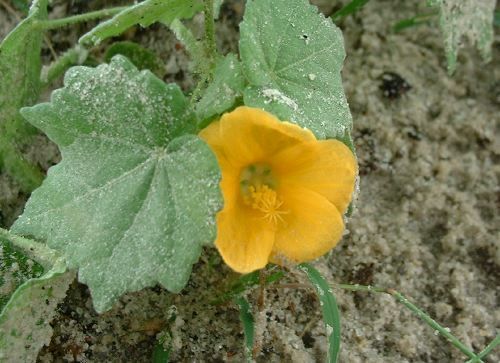
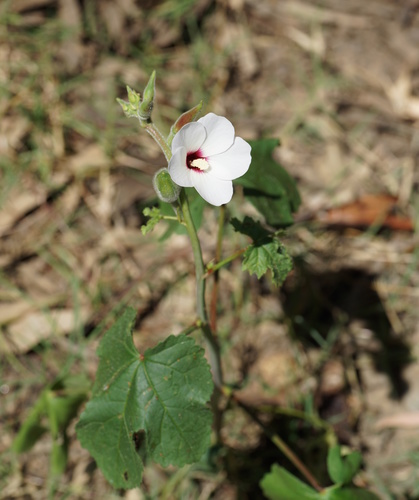
Patinoa paraensis
(Huber) Cuatrec.

C. Dennis : Field Museum of Natural History - Botany Department

Rapid Reference Collection (RRC) | Field Museum of Natural History - Keller Science Action Center
What to Eat
Edible parts: Fruit ?
The fruit is an indehiscent capsule more than 20cm long containing seeds covered in a fleshy, fibrous pulp. This report does not specify that the fruit is edible, however, it belongs to a genus of plants with edible fruits and in a family with little record of toxins. It would certainly be worth trying.
Where to Find It
It is a tropical plant. It grows in humid forests in the Amazon and along river banks.
Amazon, Brazil, Colombia, Ecuador, Peru, South America,
How to Identify
An evergreen tree. The crown is elongated. It grows 15-30 m tall. The trunk is 30-45 cm across. It has large knots along the branches. The fruit are 20 cm long.
How to Grow
Succeeds in a sunny position and in dappled shade. A fast-growing plant.
Propagation: Seed - best sown as soon as it is ripe in a partially shaded position in individual containers. A germination rate of virtually 100% can be expected, with the seed sprouting within 20 - 30 days.
Other Uses
A strong fibre is obtained from the bark. The seeds contain around 26% of a viscous oil with a low congealing temperature. The wood is medium-textured, straight-grained, light in weight, moderately hard, with low resistance to wood-eating organisms. It is only used to make items such as containers for chilled or pre-frozen products, life jackets, flotation devices etc.
Notes
Previously in the family Bombacaceae. In the subfamily Bombacoideae.
Names & Synonyms
Cupurana, Cupuacurana, Laurel bracilargo, Zapote
References (4)
- e-jardim.com (As Matisia paraensis)
- Fern, K., 2012, Tropical Species Database http://theferns.info/tropical/
- Roa, J. A. G. & Boada, D. S. G., 2018, Fundación para el Fortalecimiento de la Fruticultura y Plantas Alimenticias no Convencionales en Colombia.
- Torre, de la L., et al, 2008, Enciclopedia de las Plantas Útiles del Ecuador. Herbario QCA. Pontificia Universidad Católica del Ecuador. p 251