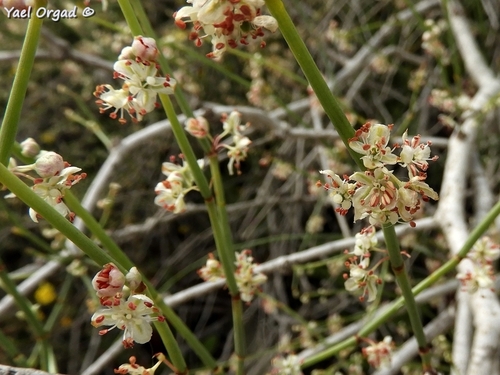
Rumex brasiliensis

Link.

Azeda grauda.

PolygonaceaeLeavesPotential hazards — see below
Caution — Parts of this plant may be toxic or require specific preparation. Verify with multiple sources before consuming.
Rumex brasiliensis
gbif · cc-by-sa
GBIF

What to Eat

Edible parts: Leaves

The young leaves are cooked and eaten as a vegetable.

Known Hazards

Although no specific mention has been seen for this species, plants in this genus can contain quite high levels of oxalic acid, which is what can give their leaves an acid-lemon flavour. Perfectly alright in small quantities, leaves containing oxalic acid should not be eaten in large amounts since it can lock-up other nutrients in the food, especially calcium, thus causing mineral deficiencies. The oxalic acid content will be reduced if the plant is cooked. People with a tendency to rheumatism, arthritis, gout, kidney stones or hyperacidity should take especial caution if including this plant in their diet since it can aggravate their condition.

Where to Find It

It grows in the tropics and subtropics. In Argentina it grows from sea level to 700 m above sea level.

Argentina, Brazil, South America*,

Countries: Argentina, Bolivia, Brazil, Chile, Colombia, Ecuador, French Guiana, Guyana, Peru, Paraguay, Suriname, Uruguay, Venezuela

How to Identify

A herb. It has a taproot and this produces one stem. The plant keeps growing from year to year.

How to Grow

A plant of subtropical to tropical areas.

Medicinal Uses

The juice of the leaves is antisyphilitic and deobstruent. The roots are antipyretic, bitter, diuretic, febrifuge and tonic. They are used to treat intestinal catarrh.

References (2)
  • Fern, K., 2012, Tropical Species Database http://theferns.info/tropical/
  • Kermath, B. M., et al, 2014, Food Plants in the Americas: A survey of the domesticated, cultivated and wild plants used for Human food in North, Central and South America and the Caribbean. On line draft. p 768

More from Polygonaceae