Sabal gretherae
H. J. Quero
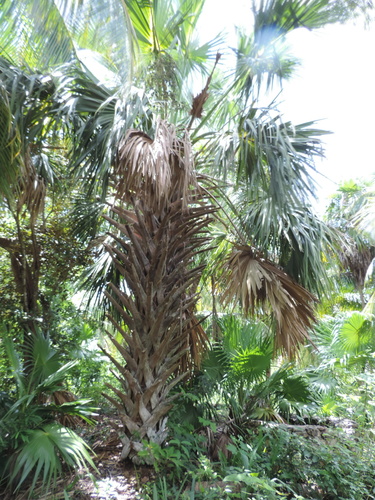
iNaturalist · cc-by-nc
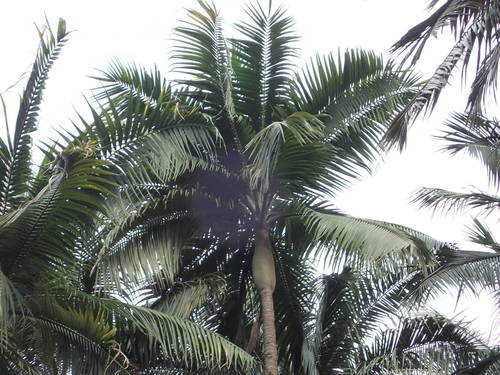
(c) mariana_bravo_mendoza, some rights reserved (CC BY-NC)
(c) mariana_bravo_mendoza, some rights reserved (CC BY-NC)
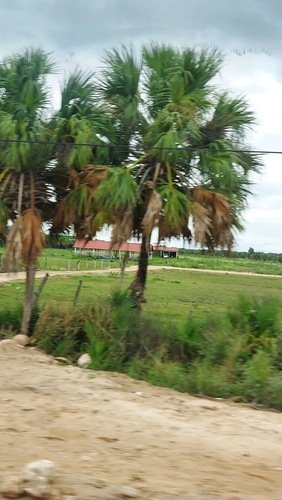
iNaturalist · cc-by-nc
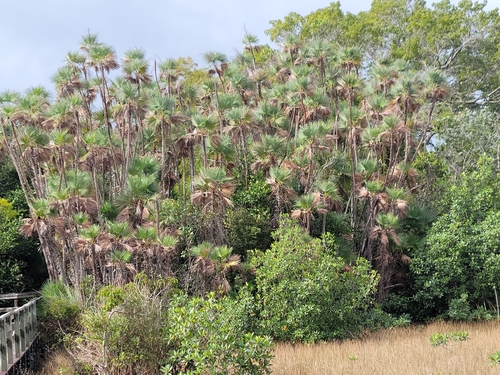
(c) belyykit, some rights reserved (CC BY-NC), uploaded by belyykit
(c) belyykit, some rights reserved (CC BY-NC), uploaded by belyykit
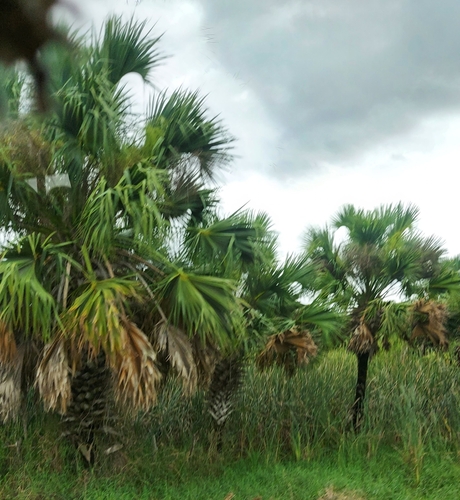
iNaturalist · cc-by-nc
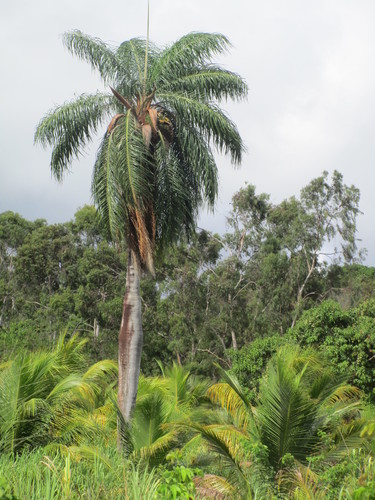
(c) belyykit, some rights reserved (CC BY-NC), uploaded by belyykit
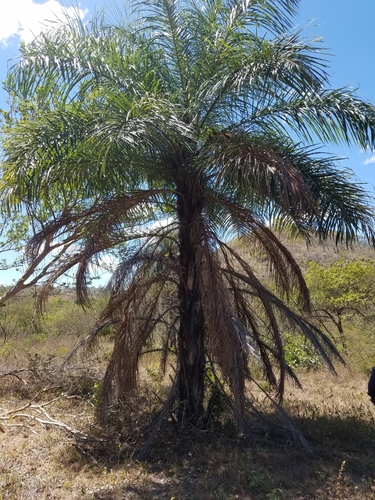
(c) belyykit, some rights reserved (CC BY-NC), uploaded by belyykit
What to Eat
Edible parts: Bud, Fruit
The plant is used for food. No more information is given. This species is closely related to Sabal mexicana and both the apical bud and the fruit of that species are eaten - it is therefore most likely that the apical buds and the fruit of this species are also edible.
Where to Find It
It is a tropical plant. It grows on sandy soils at low elevations.
Mexico, North America,
Countries: Antigua & Barbuda, Barbados, Bahamas, Belize, Canada, Costa Rica, Cuba, Dominica, Dominican Republic, Grenada, Guatemala, Honduras, Haiti, Jamaica, St Kitts & Nevis, St Lucia, Mexico, Nicaragua, Panama, Puerto Rico, El Salvador, Trinidad & Tobago, United States, St Vincent
How to Identify
A single stem palm. It grows 8 m tall. The stem can be 20-30 cm across. The crown is made up of 30 fan-shaped leaves.
Other Uses
The leaves are used as a source of thatch. The leaves are a source of fibre. The stems are used in construction.
References (1)
- Fern, K., 2012, Tropical Species Database http://theferns.info/tropical/