Castanopsis concinna
(Champ ex Benth.) A. DC.
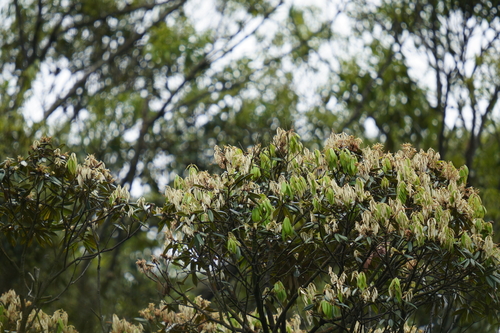
iNaturalist · cc-by-nc
(c) tkp123, some rights reserved (CC BY-NC)
(c) tkp123, some rights reserved (CC BY-NC)

iNaturalist · cc-by-nc
(c) tkp123, some rights reserved (CC BY-NC)
(c) tkp123, some rights reserved (CC BY-NC)

iNaturalist · cc-by-nc
(c) tkp123, some rights reserved (CC BY-NC)
(c) tkp123, some rights reserved (CC BY-NC)
What to Eat
Edible parts: Fruit, Nuts
The fruit and nuts are eaten.
Where to Find It
It is a tropical plant.
Asia, China,
Countries: United Arab Emirates, Afghanistan, Armenia, Azerbaijan, Bangladesh, Bahrain, Brunei, Bhutan, China, Georgia, Indonesia, Israel, India, Iraq, Iran, Jordan, Japan, Kyrgyzstan, Cambodia, North Korea, South Korea, Kuwait, Kazakhstan, Laos, Lebanon, Sri Lanka, Myanmar, Mongolia, Maldives, Malaysia, Nepal, Oman, Philippines, Pakistan, Qatar, Saudi Arabia, Singapore, Syria, Thailand, Tajikistan, Timor-Leste, Turkmenistan, Turkey, Taiwan, Uzbekistan, Vietnam, Yemen
How to Identify
A tropical tree in the Fagaceae family, native to tropical regions. The fruit and nuts are edible.
Wikipedia
Source ↗Castanopsis concinna is a species of plant in the family Fagaceae. It is a tree found in broad-leaved evergreen forests of southern Guangdong and Guangxi in China and in Hong Kong. It is under second-class national protection in China. It is threatened by habitat loss.
Names & Synonyms
Castanea concinna Champ. ex Benth.Castanopsis oblongifolia W. C. Cheng & C. S. Chao
References (1)
- Reis, S. V. and Lipp, F. L., 1982, New Plant Sources for Drugs and Foods from the New York Botanical Garden herbarium. Harvard. p 38
More from Fagaceae

Castanea alnifolia
Bush chinkapin, Florida chinkapin, Trailing chinkapin, Downy chinquapin

Castanea crenata
Japanese chestnut

Castanea dentata
American chestnut, American sweet chestnut

Castanea henryi
Zhui li, Conic chestnut
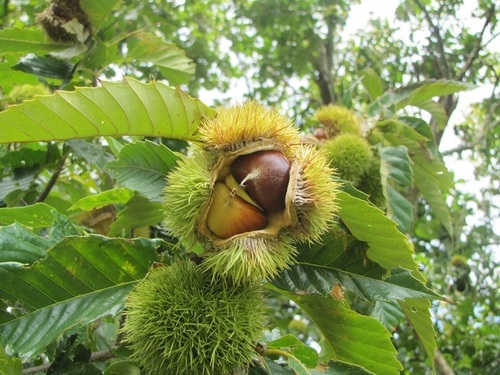
Castanea mollissima
Chinese chestnut

Castanea ozarkensis
Ozark chinkapin, Ozark chestnut