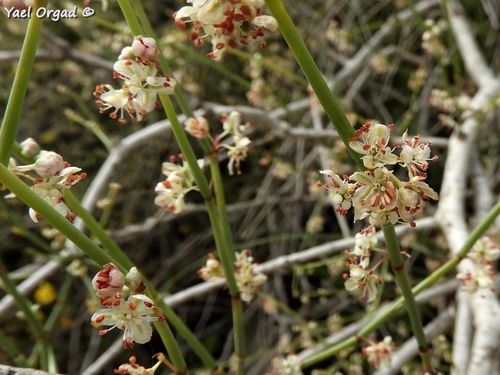
Coccoloba plumieri
Griseb.
Mountain grape
PolygonaceaeFruit

iNaturalist · cc-by-nc-sa
(c) Reiner Richter, some rights reserved (CC BY-NC-SA), uploaded by Reiner Richter
(c) Reiner Richter, some rights reserved (CC BY-NC-SA), uploaded by Reiner Richter

iNaturalist · cc-by-nc
(c) 山羌, some rights reserved (CC BY-NC), uploaded by 山羌
(c) 山羌, some rights reserved (CC BY-NC), uploaded by 山羌

iNaturalist · cc-by-nc-nd
(c) 吳政翰, some rights reserved (CC BY-NC-ND), uploaded by 吳政翰
(c) 吳政翰, some rights reserved (CC BY-NC-ND), uploaded by 吳政翰

gbif · cc-by
Royal Botanic Gardens, Kew
Royal Botanic Gardens, Kew

gbif · cc0
Conveyor Belt
Conveyor Belt

gbif · cc-by
The New York Botanical Garden
The New York Botanical Garden
What to Eat
Edible parts: Fruit
The ripe fruit are eaten fresh.
Where to Find It
It is a tropical plant.
Caribbean, Jamaica, West Indies,
Countries: Antigua & Barbuda, Barbados, Bahamas, Cuba, Dominica, Dominican Republic, Grenada, Haiti, Jamaica, St Kitts & Nevis, St Lucia, Puerto Rico, Trinidad & Tobago, St Vincent
How to Identify
A tropical tree in the Polygonaceae family with black fruit when ripe. Mountain grape is found in tropical regions.
References (2)
- Kermath, B. M., et al, 2014, Food Plants in the Americas: A survey of the domesticated, cultivated and wild plants used for Human food in North, Central and South America and the Caribbean. On line draft. p 249 (Confounded with Coccoloba polystachya var. jamaicensis)
- Reis, S. V. and Lipp, F. L., 1982, New Plant Sources for Drugs and Foods from the New York Botanical Garden herbarium. Harvard. p 51