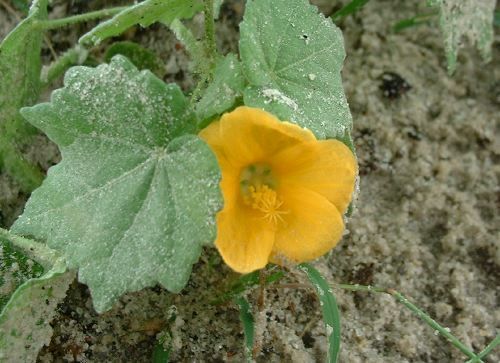
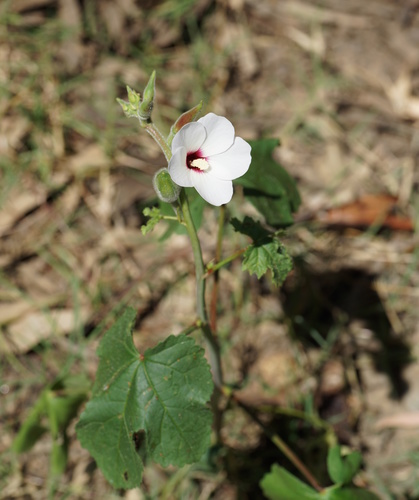
Hibiscus boranensis
Cufod.
MalvaceaeLeaves

gbif · cc-by
The New York Botanical Garden
The New York Botanical Garden

gbif · cc-by
GBIF
GBIF

gbif · cc-by
The Trustees of the Natural History Museum, London
The Trustees of the Natural History Museum, London
What to Eat
Edible parts: Leaves, Vegetables
The leaves are eaten as a vegetable.
Where to Find It
It is a tropical plant. It grows between 1,200-1,750 m above sea level.
Africa, East Africa, Ethiopia, Tanzania,
Countries: Angola, Burkina Faso, Burundi, Benin, Botswana, Congo (DRC), Central African Republic, Congo (Republic), Cote d'Ivoire, Cameroon, Cape Verde, Djibouti, Algeria, Egypt, Eritrea, Ethiopia, Gabon, Ghana, Gambia, Guinea, Equatorial Guinea, Guinea-Bissau, Kenya, Comoros, Liberia, Lesotho, Libya, Morocco, Madagascar, Mali, Mauritania, Mauritius, Malawi, Mozambique, Namibia, Niger, Nigeria, Rwanda, Seychelles, Sudan, Sierra Leone, Senegal, Somalia, South Sudan, Sao Tome & Principe, Eswatini, Chad, Togo, Tunisia, Tanzania, Uganda, South Africa, Zambia, Zimbabwe
How to Identify
A tropical shrub in the Malvaceae family found at elevations of 1,200-1,750 m, with edible leaves used as a vegetable.
Notes
It is an unresolved name in The Plant List. It is an at risk plant.
References (1)
- Reis, S. V. and Lipp, F. L., 1982, New Plant Sources for Drugs and Foods from the New York Botanical Garden herbarium. Harvard. p 178