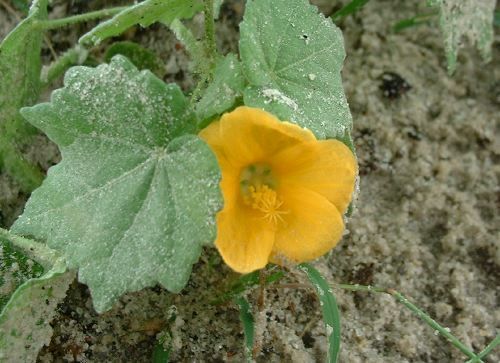
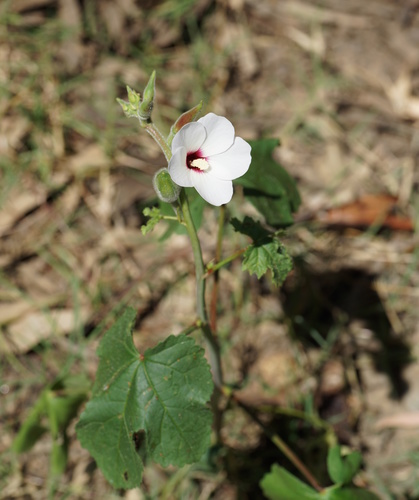
Matisia alata
Little
Winged matisia
MalvaceaeFruit

wikimedia · cc-by-sa
J.M.Garg (via Wikimedia Commons)
J.M.Garg (via Wikimedia Commons)

gbif · cc-by-nc
Wisconsin State Herbarium, Vascular Plants (WIS-)
Wisconsin State Herbarium, Vascular Plants (WIS-)
What to Eat
Edible parts: Fruit
The fruit is eaten.
Where to Find It
It is a tropical plant. It grows from sea level to 500 m above sea level.
Colombia, Ecuador, South America,
How to Identify
A tropical tree in the Malvaceae family found from sea level to 500 m elevation, producing edible fruit. It is an endangered species.
Wikipedia
Source ↗Matisia alata is a species of flowering plant in the family Malvaceae sensu lato or Bombacaceae. Found only in Ecuador, its natural habitats are subtropical or tropical moist lowland forests and subtropical or tropical moist montane forests. It is threatened by habitat loss.
Notes
Also put in the family Bombacaceae. It is an endangered species. In the subfamily Bombacoideae.
Names & Synonyms
Castano, Jeen sapotachi, Zapotillo
Matisia alata subsp. alataQuararibea alata (Little) Cuatrec.
References (6)
- Grandtner, M. M. & Chevrette, J., 2013, Dictionary of Trees, Volume 2: South America: Nomenclature, Taxonomy and Ecology. Academic Press p 386
- Kew Plants of the World On line
- Lopez-Diago, D. & Garcia, N., 2021, Wild edible fruits of Colombia. Biota ColomBiana 22 (2) p 41
- Reis, S. V. and Lipp, F. L., 1982, New Plant Sources for Drugs and Foods from the New York Botanical Garden herbarium. Harvard. p 179
- Roa, J. A. G. & Boada, D. S. G., 2018, Fundación para el Fortalecimiento de la Fruticultura y Plantas Alimenticias no Convencionales en Colombia.
- Torre, de la L., et al, 2008, Enciclopedia de las Plantas Útiles del Ecuador. Herbario QCA. Pontificia Universidad Católica del Ecuador. p 249