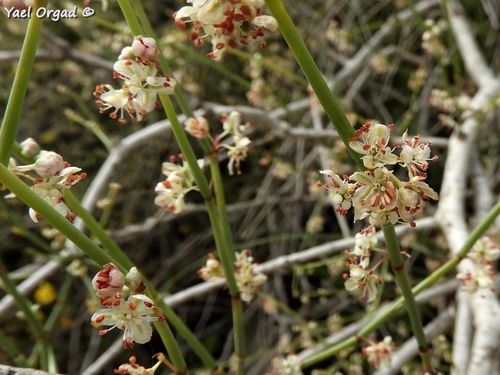
Rumex patientia subsp. orientalis
(Bernh. ex Schult. & Schult.f.) Danser
Patience dock

Alexey P. Seregin

Alexey P. Seregin

Богданович Светлана
What to Eat
Edible parts: Leaves
The leaves can be eaten raw or cooked, but do contain oxalic acid, so should not be eaten in excess (e.g. every day). The leaves can be used raw in salads, cooked in soups and stews, or layered in baked dishes like lasagna. The leaves are high in minerals, and can be harvested at any time.
Where to Find It
It grows in cold desert regions in north India.
Asia, Himalayas, India,
How to Identify
A herb.
Wikipedia
Source ↗Rumex patientia, known as patience dock, garden patience, herb patience, or monk's rhubarb, is a herbaceous perennial flowering plant belonging to the family Polygonaceae. In spring it is often consumed as a leaf vegetable and as a filling in pies in Southern Europe, especially in Bulgaria, North Macedonia, Turkey, Bosnia and Herzegovina and Serbia. It is also used in Romania in spring broths or sarmale.
Names & Synonyms
Shommena, Soma
References (1)
- Ballabh, B., et al, 2007, Raw edible plants of cold desert Ladakh. Indian Journal of Traditional Knowledge. 6(1) pp 182-184