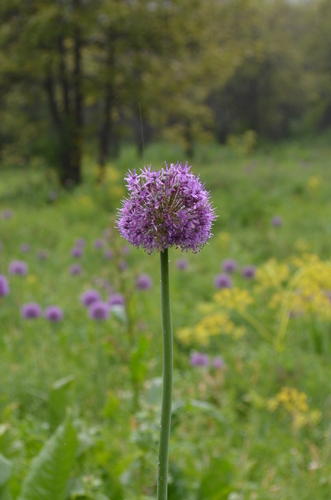
Allium beesianum
W. W. Sm.
Chinese blue flowered allium
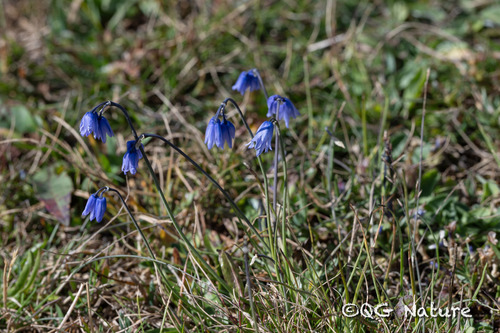
(с) Wang.QG, некоторые права защищены (CC BY), загрузил Wang.QG
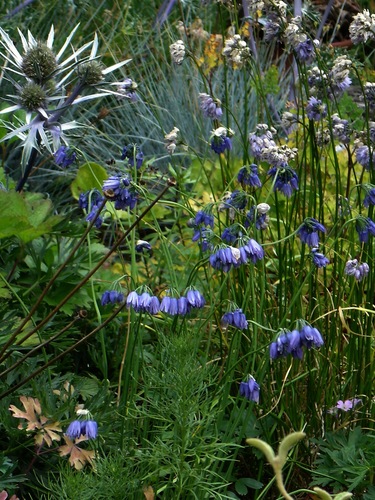
(с) peganum, некоторые права защищены (CC BY-SA)
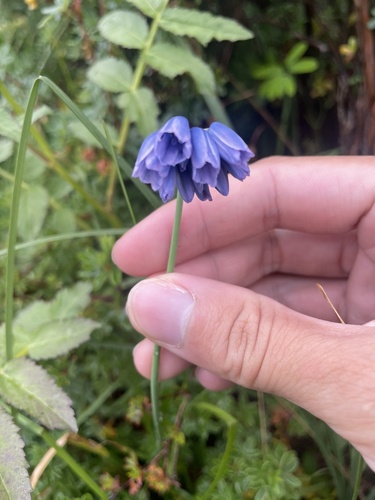
(c) Larry Chen, some rights reserved (CC BY-NC)
What to Eat
Edible parts: Plant, Leaves - flavouring
The leaves are used as flavouring, and the plant is eaten.
Where to Find It
It is a subtropical plant. It grows on slopes and meadows between 3,000-4,200 m above sea level. In Sichuan and Yunnan.
Asia, China,
How to Identify
An onion family herb. It has a cluster of bulbs. They are cylinder shaped and 1 cm across. The leaves are narrow and 3-8 mm wide. The fruit stalk is 30-50 cm long. It is covered with leaf sheaths at the base.
Wikipedia
Source ↗Allium beesianum is a plant species native to southern China, provinces of Yunnan and Sichuan. It grows on slopes and in meadows at elevations of 3000–4200 m. Allium beesianum produces cylindrical bulbs up to 10 mm in diameter. Scapes are round in cross-section, up to 60 cm tall. Umbels appear hemispheric from a distance. Flowers are blue.
References (3)
- Brevard Country Edible Acres
- Zhang, L. et al, 2013, An Ethnobotanical Study of Traditional Edible Plants Used by Naxi People in Northwestern Yunnan, China. - A Case Study in Wenhai Village. Plant Diversity and Resources. p 5
- Zhang, L., et al, 2016, Ethnobotanical study of traditional edible plants used by the Naxi people during droughts. Journal of Ethnobiology and Ethnomedicine. 12:39