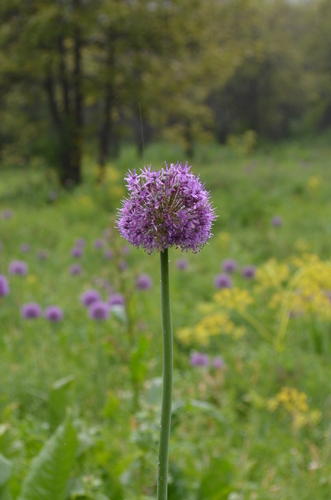
Allium callimischon
Link
Autumn flowered onion
AmaryllidaceaeRoots
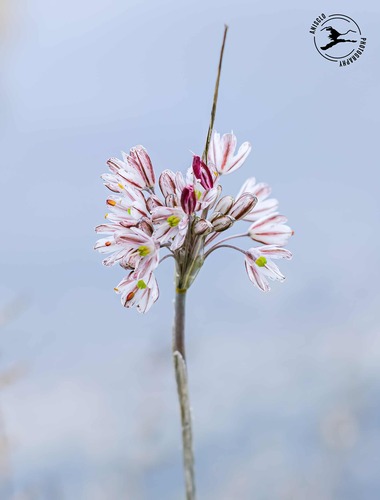
iNaturalist · cc-by-nc
(c) natuurlijkbep, some rights reserved (CC BY-NC)
(c) natuurlijkbep, some rights reserved (CC BY-NC)
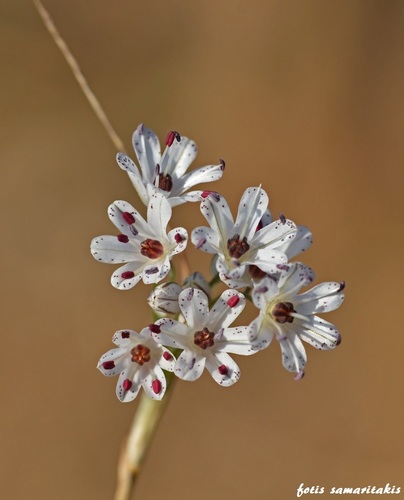
iNaturalist · cc-by-nc
(c) fotis-samaritakis, some rights reserved (CC BY-NC), uploaded by fotis-samaritakis
(c) fotis-samaritakis, some rights reserved (CC BY-NC), uploaded by fotis-samaritakis
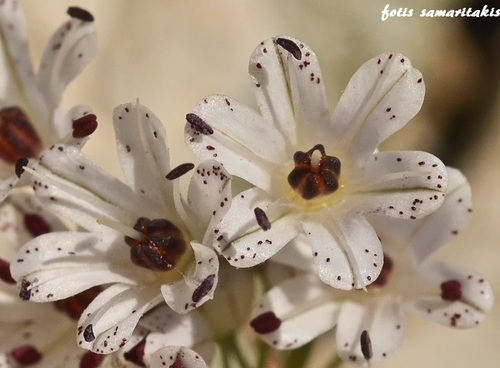
iNaturalist · cc-by-nc
(c) fotis-samaritakis, some rights reserved (CC BY-NC), uploaded by fotis-samaritakis
(c) fotis-samaritakis, some rights reserved (CC BY-NC), uploaded by fotis-samaritakis
What to Eat
Edible parts: Bulb?
The bulbs are eaten.
Where to Find It
It is a Mediterranean climate plant.
Albania, Europe, Greece, Mediterranean, Turkey, Türkiye,
Countries: Andorra, Albania, Austria, Bosnia & Herzegovina, Belgium, Bulgaria, Belarus, Switzerland, Cyprus, Czechia, Germany, Denmark, Algeria, Estonia, Egypt, Spain, Finland, France, United Kingdom, Greece, Croatia, Hungary, Ireland, Israel, Iceland, Italy, Lebanon, Liechtenstein, Lithuania, Luxembourg, Latvia, Libya, Morocco, Monaco, Moldova, Montenegro, North Macedonia, Malta, Netherlands, Norway, Poland, Portugal, Romania, Serbia, Russia, Sweden, Slovenia, Slovakia, San Marino, Syria, Tunisia, Turkey, Ukraine
How to Identify
An onion herb. It grows 30 cm tall. It has small bulbs. The leaves are narrow.
Wikipedia
Source ↗Allium callimischon is a plant species native to southwestern Turkey and to southern Greece (including Peloponnese and the Island of Crete). It is grown in other countries as an ornamental because of its attractive flowers. Allium callimischon is a perennial herb up to 30 cm tall. It has small bulbs and thread-like leaves. Flowers are borne in an umbel, white with thin purple midveins on the tepals.
Names & Synonyms
Allium callimischon subsp. callimischon
References (1)
- Brevard County Edible Acres