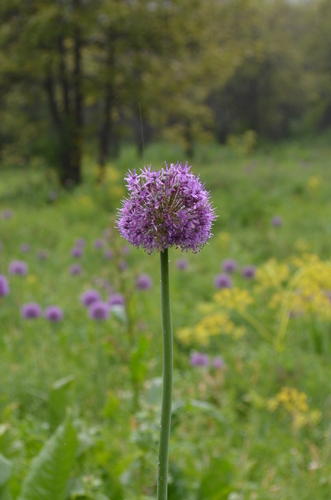
Allium maximowiczii
Regel
White ornamental onion
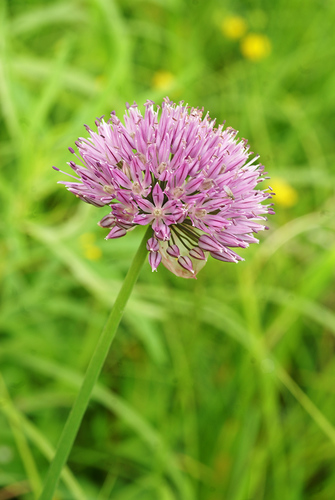
(c) V.S. Volkotrub, some rights reserved (CC BY-NC), uploaded by V.S. Volkotrub
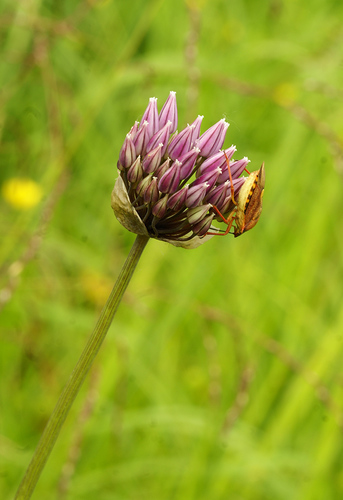
(c) V.S. Volkotrub, some rights reserved (CC BY-NC), uploaded by V.S. Volkotrub
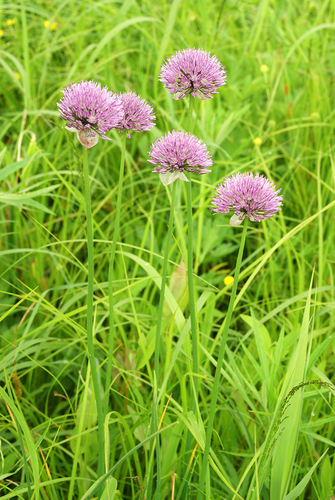
(c) V.S. Volkotrub, some rights reserved (CC BY-NC), uploaded by V.S. Volkotrub
What to Eat
Edible parts: Bulb ?
The bulb is potentially edible.
Where to Find It
It is a temperate plant. It grows in meadows and along rivers between 100-500 m above sea level in north China.
Asia, China, Japan, Korea, Mongolia, Russia,
How to Identify
An onion herb. It can have one or two bulbs. There are 1 or 2 leaves. The stalks is 20-40 cm long and covered with leaf sheaths for up to 1/2 its length. The flower head is half round.
Wikipedia
Source ↗Allium maximowiczii, English common name oriental chive, is an Asian plant species native to Siberia, the Russian Far East, Mongolia, Japan, Korea and northeastern China (Heilongjiang, Jilin and Inner Mongolia). Allium maximowiczii produces one or two bulbs. Scape is up to 70 cm tall. Leaves are tubular, shorter than the scape. Umbels are densely packed with large numbers of pink or red flowers.
Names & Synonyms
References (2)
- Brevard County Edible Acres
- Urgamal, M., et al, 2014, Conspectus of the Vascular Plants of Mongolia. Mongolia Academy of Sciences Institute of Botany and National University of Mongolia Department of Biology. p 47