Pedicularis sylvatica
L.
Lousewort
OrobanchaceaeLeaves
iNaturalist · cc-by-nc
(c) Ian Bryson, some rights reserved (CC BY-NC)
(c) Ian Bryson, some rights reserved (CC BY-NC)
iNaturalist · cc-by
(c) Skjold Søndergaard, some rights reserved (CC BY)
(c) Skjold Søndergaard, some rights reserved (CC BY)
iNaturalist · cc-by-nc
(c) Chris Ecroyd, some rights reserved (CC BY-NC)
(c) Chris Ecroyd, some rights reserved (CC BY-NC)
What to Eat
Edible parts: Leaves
The leaves are eaten raw or cooked.
Where to Find It
It is a temperate plant. It grows in damp ground and acid soil.
Britain, Europe, Luxembourg,
Countries: Andorra, Albania, Austria, Bosnia & Herzegovina, Belgium, Bulgaria, Belarus, Switzerland, Cyprus, Czechia, Germany, Denmark, Estonia, Spain, Finland, France, United Kingdom, Greece, Croatia, Hungary, Ireland, Iceland, Italy, Liechtenstein, Lithuania, Luxembourg, Latvia, Monaco, Moldova, Montenegro, North Macedonia, Malta, Netherlands, Norway, Poland, Portugal, Romania, Serbia, Russia, Sweden, Slovenia, Slovakia, San Marino, Ukraine
How to Identify
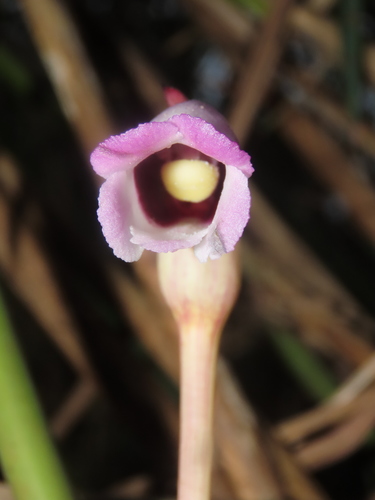
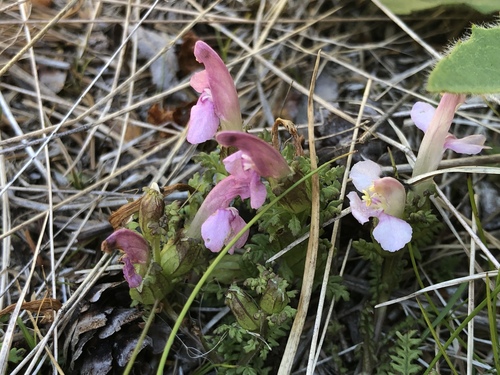
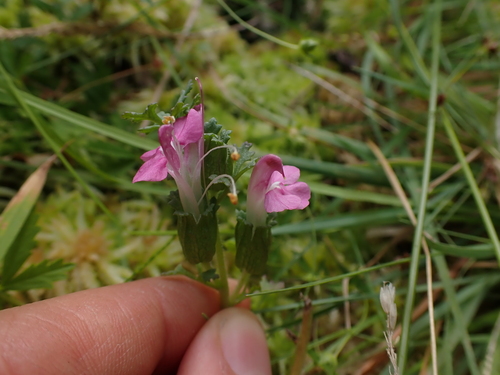
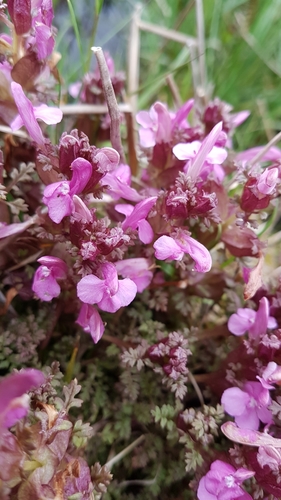
A herb. It can complete its life-cycle or keep growing from several years. It has several stems. The leaves are dark green and crinkly. They are oblong with lobes along the stalk and teeth around the edge. There are flowers at the top of each stem. They are pink.
Wikipedia
Source ↗Pedicularis sylvatica, commonly known as common lousewort, is a plant species in the genus Pedicularis. It is native to central and northern Europe where it grows on moist acidic soils, moorland, grassy heathland and the drier parts of marshes.
References (1)
- Irving, M., 2009, The Forager Handbook, A Guide to the Edible Plants of Britain. Ebury Press p 183