Astrocaryum sciophilum
(Miq.) Pulle
Bulishi, Mumu
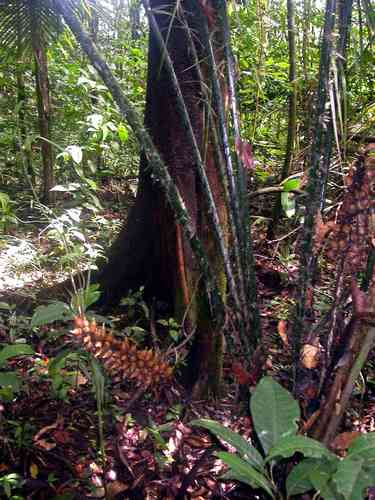
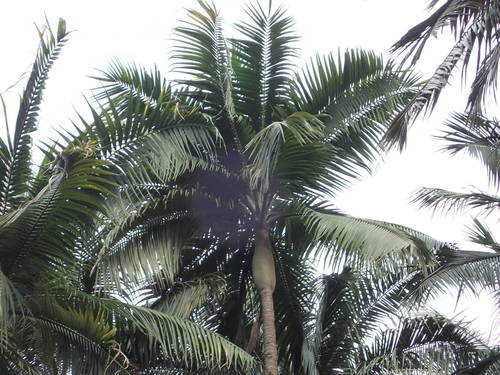
(c) Olivier Fortune - Isabelle Delafosse, some rights reserved (CC BY-NC), uploaded by Olivier Fortune - Isabelle Delafosse

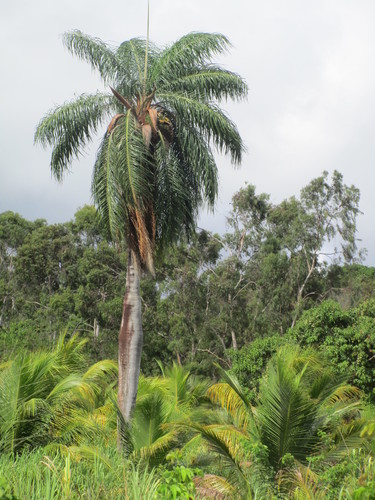
(c) Hervé GALLIFFET, some rights reserved (CC BY-NC)
What to Eat
Edible parts: Fruit, Shoots - salt, Flowers
The liquid endosperm (developing seed) of the unripe fruits is drunk. The obovoid fruit is up to 70mm long and 30 - 40mm wide, with a dry and fibrous mesocarp surrounding a single, large seed. The palm heart (the inner core and growing bud of the plant) is harvested from various species in this genus. It provides a crispy food, rich in nutrients, that can be eaten raw or cooked. Harvesting the heart will lead to the death of the plant, however, since it is unable to produce new shoots. We have no specific information for this species, but the fruits and seeds of various species in this genus are reported to be used for oil production in the Amazon region. Existing analyses of fruit fat content show a relatively homogeneous composition among the different species, with around. 20% of fat content in the mesocarp, mostly composed of oleic and palm itic acids, and 20 - 35% of fat content in the endosperm, with a predominance of lauric acid.
Where to Find It
It is a tropical plant.
Amazon, Brazil, Colombia, French Guiana, Guianas, Guyana, South America, Suriname,
How to Identify
A tropical palm in the Arecaceae family.
Medicinal Uses
The seed contains an oil that is used to treat various wounds and fractures. A paste prepared from the fruit is used to treat sprains and fractures. (This entry may refer to Astrocaryum murumuru rather than this species.)
Other Uses
The hard endocarp of various Amazonian species is commonly used to make beads and ornaments for necklaces
Names & Synonyms
Juuikuruy
References (5)
- Kermath, B. M., et al, 2014, Food Plants in the Americas: A survey of the domesticated, cultivated and wild plants used for Human food in North, Central and South America and the Caribbean. On line draft. p 102
- Kew Plants of the World Online
- Marcia, M. J., et al, 2011, Palm Uses in Northwestern South America: A Quantitative Review. Bot. Rev. (2011) 77:462-570
- Roa, J. A. G. & Boada, D. S. G., 2018, Fundación para el Fortalecimiento de la Fruticultura y Plantas Alimenticias no Convencionales en Colombia.
- World Checklist of Useful Plant Species 2020. Royal Botanic Gardens, Kew