Attalea tessmannii
Burret
Yassmann attalea
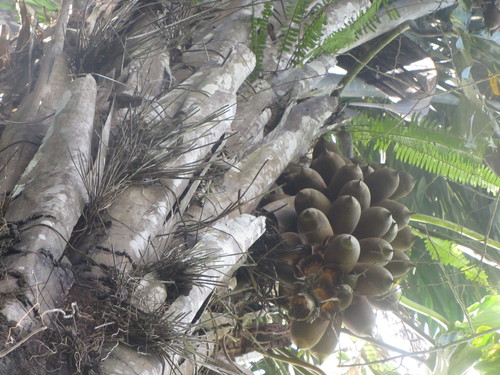
iNaturalist · cc-by-nc
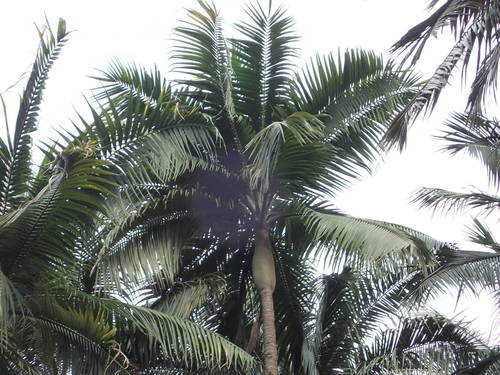
(c) Marcus Athaydes, some rights reserved (CC BY-NC), uploaded by Marcus Athaydes
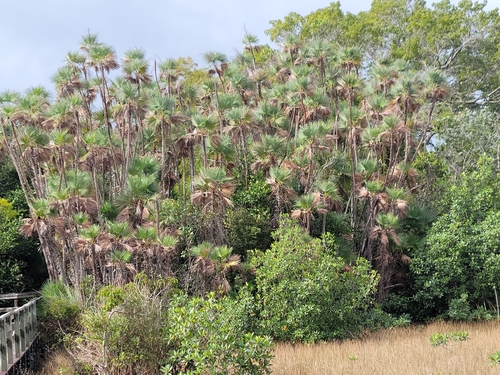
(c) Marcus Athaydes, some rights reserved (CC BY-NC), uploaded by Marcus Athaydes
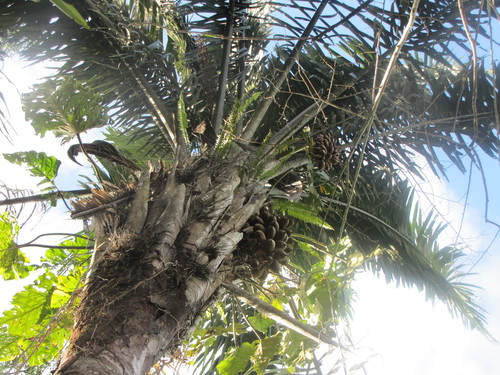
iNaturalist · cc-by-nc
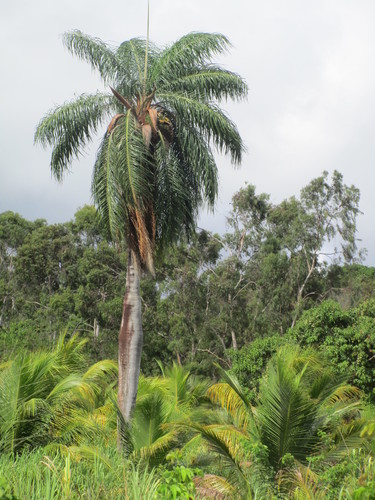
(c) Marcus Athaydes, some rights reserved (CC BY-NC), uploaded by Marcus Athaydes
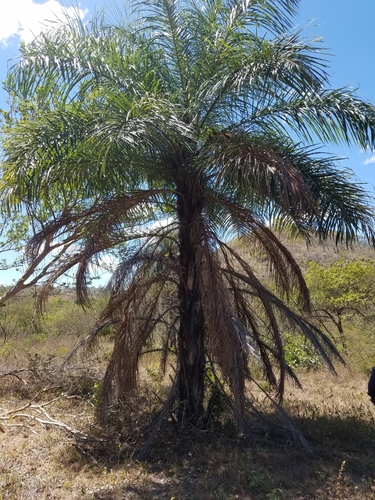
(c) Marcus Athaydes, some rights reserved (CC BY-NC), uploaded by Marcus Athaydes
What to Eat
Edible parts: Seeds, Fruit, Palm heart
The seeds, fruit, and palm heart are eaten.
Where to Find It
It is a tropical plant.
Amazon, Bolivia, Brazil, Central America, Panama, Peru, South America,
How to Identify
A palm. The trunk is 30 m tall and 30-46 cm wide. There are about 12 large leaves in the crown. The leaves are 11.5 m long. The fruit are 12 cm long and 6 cm wide.
Other Uses
The endocarps are used to smoke newly collected latex for coaggulating into rubber.
Wikipedia
Source ↗Attalea tessmannii is a species of flowering plant in the family Arecaceae. It is found in Brazil and Peru. It is threatened by habitat loss.
Names & Synonyms
Chonta, Cocao, Conta, Katirna, Shapaja
References (6)
- Grandtner, M. M. & Chevrette, J., 2013, Dictionary of Trees, Volume 2: South America: Nomenclature, Taxonomy and Ecology. Academic Press p 52
- Hunter, D., et al, 2019, The potential of neglected and underutilized species for improving diets and nutrition. Planta (2019) 250:709-729
- Kermath, B. M., et al, 2014, Food Plants in the Americas: A survey of the domesticated, cultivated and wild plants used for Human food in North, Central and South America and the Caribbean. On line draft. p 110
- Marcia, M. J., et al, 2011, Palm Uses in Northwestern South America: A Quantitative Review. Bot. Rev. (2011) 77:462-570
- Vasquez, R. and Gentry, A. H., 1989, Use and Misuse of Forest-harvested Fruits in the Iquitos Area. Conservation Biology 3(4): 350f
- World Checklist of Useful Plant Species 2020. Royal Botanic Gardens, Kew