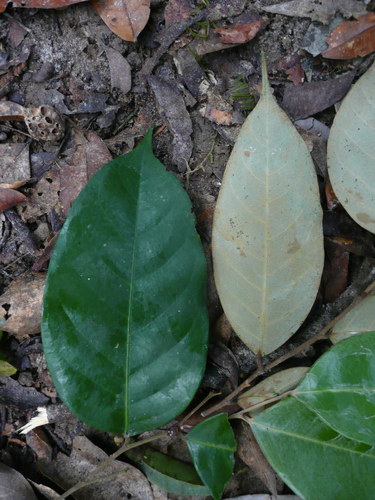
Licania hypoleuca
Benth.
Quarrey macho
ChrysobalanaceaeFruit
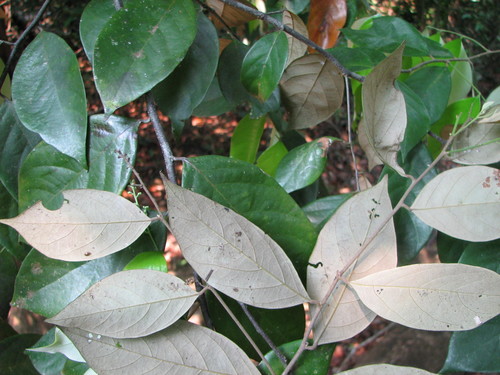
iNaturalist · cc-by-nc
(c) Jan Meerman, some rights reserved (CC BY-NC), uploaded by Jan Meerman
(c) Jan Meerman, some rights reserved (CC BY-NC), uploaded by Jan Meerman
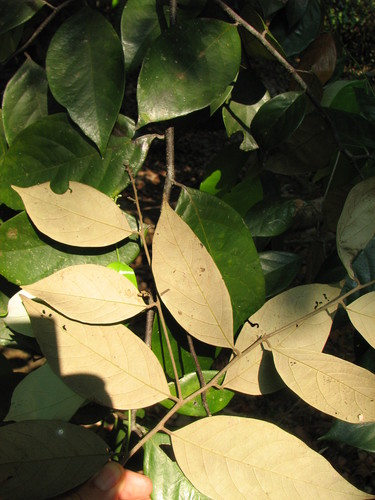
iNaturalist · cc-by-nc
(c) Jan Meerman, some rights reserved (CC BY-NC), uploaded by Jan Meerman
(c) Jan Meerman, some rights reserved (CC BY-NC), uploaded by Jan Meerman
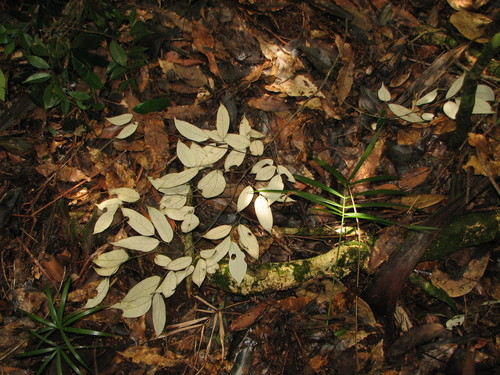
iNaturalist · cc-by-nc
(c) Jan Meerman, some rights reserved (CC BY-NC), uploaded by Jan Meerman
(c) Jan Meerman, some rights reserved (CC BY-NC), uploaded by Jan Meerman
What to Eat
Edible parts: Fruit
The fruits are eaten.
Where to Find It
It is a tropical plant. It grows in the humid lowlands.
Bolivia, Central America, Colombia, Guatemala, Guianas, South America,
How to Identify
A tropical tree found in humid lowlands with reddish, pear-shaped fruits.
Medicinal Uses
The bark is astringent.
Other Uses
The wood is brownish gray with a reddish hue, without distinctive odour or taste. It is very hard and heavy, of fairly straight or somewhat roey grain, medium-textured, hard to cut, easy to split, of dull surface when finished, apparently not resistant to decay. It is sometimes employed for heavy construction.
Names & Synonyms
Hierrillo, Hierrillo blanco, Jocote de fraile
Licania grisea Kleinh.Licania microcarpa Hook.f.Licania parvifolia Pittier [Illegitimate]
References (2)
- Kermath, B. M., et al, 2014, Food Plants in the Americas: A survey of the domesticated, cultivated and wild plants used for Human food in North, Central and South America and the Caribbean. On line draft. p 486
- Roa, J. A. G. & Boada, D. S. G., 2018, Fundación para el Fortalecimiento de la Fruticultura y Plantas Alimenticias no Convencionales en Colombia.