Qualea acuminata
Spruce ex Warm.
Acumiate qualea
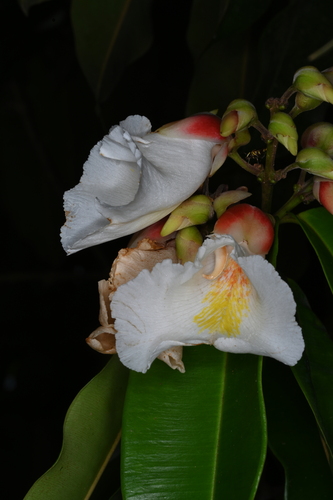
(c) Robin Heymans, some rights reserved (CC BY-NC), uploaded by Robin Heymans
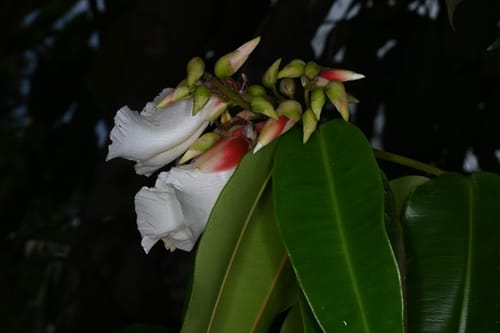
(c) Robin Heymans, some rights reserved (CC BY-NC)
What to Eat
Edible parts: Fruit, Seeds
The fruit and seeds are edible.
Where to Find It
It is a tropical plant. It grows along the edge of water
Amazon, Bolivia, Brazil, Central America, Colombia, French Guiana, Guyana, Panama, Peru, South America,
How to Identify
A tropical tree that grows along the edge of water, belonging to the Vochysiaceae family.
Other Uses
This species is a source of 'Mandioqueira' wood. We do not have any specific information on the wood of this tree, but a general description of mandioqueira wood is as follows:- The heartwood is a pinkish brown to red brown, sometimes olive brown; it is clearly demarcated from the 3 - 6cm wide band of sapwood. The texture is medium; the grain straight or interlocked, sometimes wavy; the unseasoned wood has an unpleasant odour. The wood is moderately heavy; moderately hard; moderately durable, having a good resistance to dry wood borers, moderate resistance to fungi, but poor resistance to termites. It seasons at a normal rate, with a high risk of checking and distortion; once dry it is poorly stable in service. It can usually be worked with ordinary tools, though some species have higher contents of silica and work better with stellite-tipped and tungsten carbide tools; nailing and screwing are good; gluing is correct. The wood is used in construction, heavy carpentry, joinery, panelling, flooring, furniture components, tool handles, boxes and crates, veneer etc.
Names & Synonyms
Gomo, Homacabero, Salado de rebalse, Salado rebalsero
References (4)
- Grandtner, M. M. & Chevrette, J., 2013, Dictionary of Trees, Volume 2: South America: Nomenclature, Taxonomy and Ecology. Academic Press p 556
- Kermath, B. M., et al, 2014, Food Plants in the Americas: A survey of the domesticated, cultivated and wild plants used for Human food in North, Central and South America and the Caribbean. On line draft. p 731
- Lopez-Diago, D. & Garcia, N., 2021, Wild edible fruits of Colombia. Biota ColomBiana 22 (2) p 54
- Roa, J. A. G. & Boada, D. S. G., 2018, Fundación para el Fortalecimiento de la Fruticultura y Plantas Alimenticias no Convencionales en Colombia.


