Trithrinax brasiliensis
Mart.
Uruguay needle palm
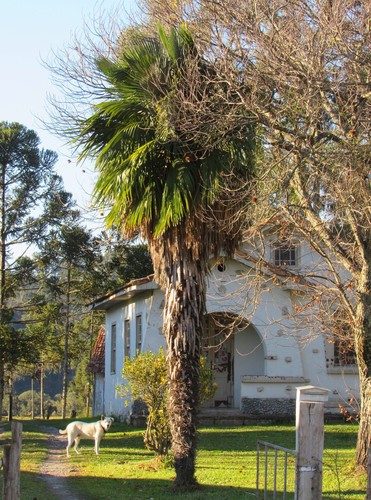
no rights reserved, uploaded by Kahio Tiberio Mazon

(c) Martin Klippel, some rights reserved (CC BY)
What to Eat
Edible parts: Fruit, Oil
The fruit is eaten fresh and used to make drinks, and oil is extracted from the fruit.
Where to Find It
It is a tropical plant.
Brazil*, South America, Uruguay,
How to Identify
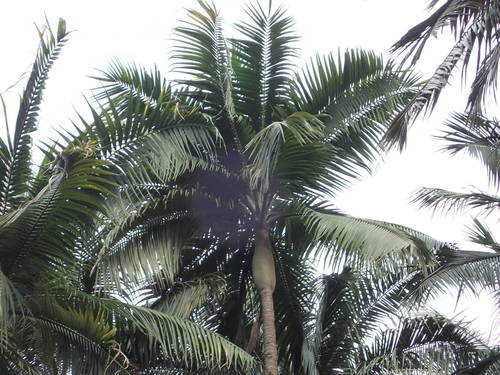
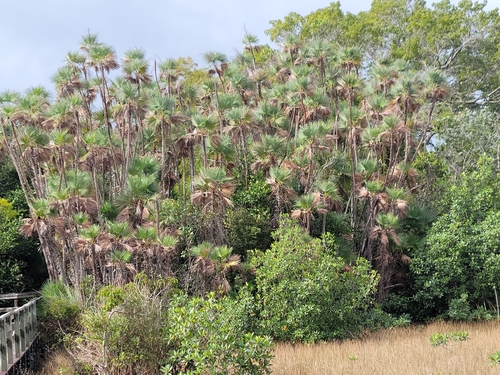
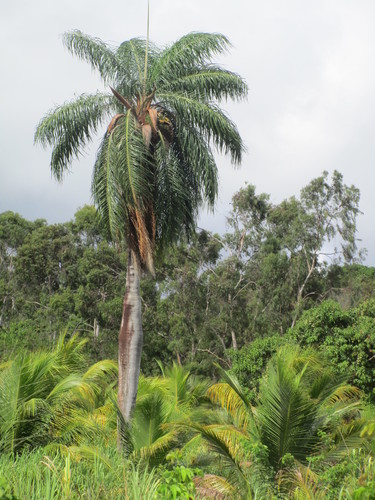
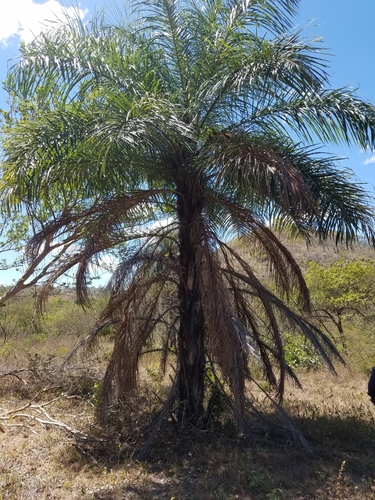
A palm. The trunk is slender and up to 7 m tall. It has spiny leaf bases. The leaves are fan shaped. The leaf segments droop.
How to Grow
It is grown from seed.
Wikipedia
Source ↗Trithrinax brasiliensis is a species of flowering plant in the family Arecaceae. It is known as carandá, burití or leque. It is considered a rare and endemic species in southern Brazil. It occurs in Argentina, southern Brazil, and eastern Bolivia, where it is popularly known to Spanish speakers as saó or saocito and to speakers of Chiquitano as baixhíxh. Nowadays it is considered a threatened species belonging to the category "In Danger" in the List of Threatened species of Rio Grande do Sul state, southern Brazil.
Names & Synonyms
Buriti, Carandai, Carandai-dos-morros, Juriti
References (3)
- Brack, P., et al, 2020, Frutas nativas do Rio Grande do Sul, Brasil: riqueza e potencial alimentício. Native fruits of Rio Grande do Sul, Brazil: richness and potential as food. Rodriguésia 71: e03102018.
- Kermath, B. M., et al, 2014, Food Plants in the Americas: A survey of the domesticated, cultivated and wild plants used for Human food in North, Central and South America and the Caribbean. On line draft. p 879
- Kinupp, V. F., 2007, Plantas alimenticias nao-convencionais da regiao metropolitana de Porto Alegre, RS, Brazil p 64