Cola anomala
K. Schum
Bamenda kola
MalvaceaeSeeds/Nuts

wikimedia · pd
Francisco Manuel Blanco (O.S.A.) (via Wikimedia Commons)
Francisco Manuel Blanco (O.S.A.) (via Wikimedia Commons)

gbif · cc-by
Royal Botanic Gardens, Kew
Royal Botanic Gardens, Kew
What to Eat
Edible parts: Seeds, Stimulant, Nuts
The seeds and nuts are eaten and are stimulants.
Where to Find It
A tropical plant. It grows in mountain forest in Central Africa. It grows up to 2,300 m altitude in Cameroon.
Africa, Cameroon, Central Africa, West Africa,
Countries: Angola, Burkina Faso, Burundi, Benin, Botswana, Congo (DRC), Central African Republic, Congo (Republic), Cote d'Ivoire, Cameroon, Cape Verde, Djibouti, Algeria, Egypt, Eritrea, Ethiopia, Gabon, Ghana, Gambia, Guinea, Equatorial Guinea, Guinea-Bissau, Kenya, Comoros, Liberia, Lesotho, Libya, Morocco, Madagascar, Mali, Mauritania, Mauritius, Malawi, Mozambique, Namibia, Niger, Nigeria, Rwanda, Seychelles, Sudan, Sierra Leone, Senegal, Somalia, South Sudan, Sao Tome & Principe, Eswatini, Chad, Togo, Tunisia, Tanzania, Uganda, South Africa, Zambia, Zimbabwe
How to Identify
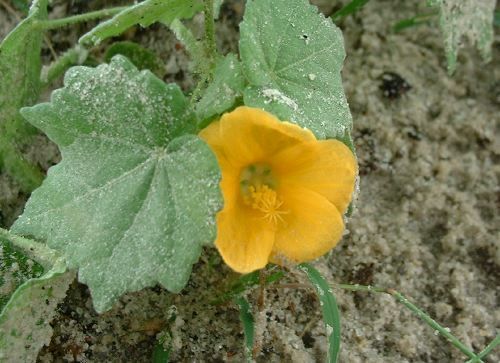
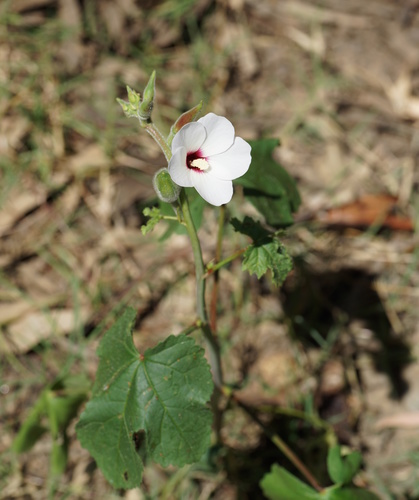
A large tree. It grows to 30 m high. The trunk is 60 cm across. The crown is dense. The flowers are yellow.
How to Grow
Leafy cuttings treated with hormone can be used to grow plants.
Notes
Also put in the family Sterculiaceae.
Names & Synonyms
Agbourou, Anomalous cola, Tamtsi
References (11)
- Brown, D., 2002, The Royal Horticultural Society encyclopedia of Herbs and their uses. DK Books. p 175
- Burkill, H. M., 1985, The useful plants of west tropical Africa, Vol. 4. Kew.
- H. G. A. Engler, Monogr. afrik. Pflanzen-Fam. 5:134, t. 16b. 1900
- Fongnzossie Fedoung, E., et al, 2020, Wild edible plants and mushrooms of the Bamenda Highlands in Cameroon: ethnobotanical assessment and potentials for enhancing food security. Journal of Ethnobiology and Ethnomedicine 16:12
- Purseglove, J.W., 1968, Tropical Crops Dicotyledons, Longmans. p 565
- van Wyk, B., 2005, Food Plants of the World. An illustrated guide. Timber press. p 149
- Vickery, M.L. and Vickery, B., 1979, Plant Products of Tropical Africa, Macmillan. p 90
- Vivien, J., & Faure, J.J., 1996, Fruitiers Sauvages d'Afrique. Especes du Cameroun. CTA p 337
- Wickens, G.E., 1995, Edible Nuts. FAO Non-wood forest products. FAO, Rome. p154
- Wiersema, J. H. & Leon, B., 2013, World Economic Plants. A Standard Reference CRC Press. 2nd Ed. p 190
- World Checklist of Useful Plant Species 2020. Royal Botanic Gardens, Kew