Guatteria scandens
Ducke

(c) hervebreton, some rights reserved (CC BY-NC)
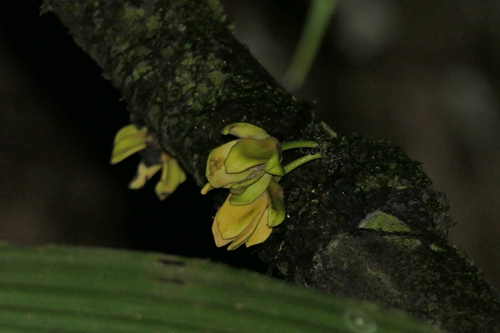
(c) hervebreton, some rights reserved (CC BY-NC)
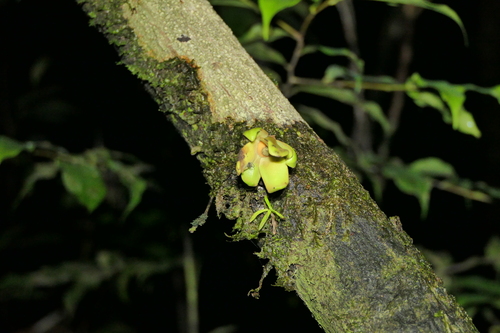
(c) hervebreton, some rights reserved (CC BY-NC)
What to Eat
Edible parts: Fruit
Fruit - raw. The thin layer of flesh is sweet and mucilaginous. Eating the fruit is said to clean the tongue. The fruits are produced in bunches of 25 - 40. Maturing dark red to purple-black or black, each ellipsoid fruit is around 13 - 17m long and 7 - 9mm wide, with some fruits up to 24mm and 13mm wide. The single seed can be 11 - 16mm by 6 - 7mm,
Where to Find It
It is a tropical plant. It grows in rainforests near creeks.
Brazil, Guyana, South America, Suriname,
How to Identify
A woody climber. It can be 20 m long. The fruit are in bunches of 25-40. The ripen to a dark red or black. The fruit is 13-17 mm long by 7-9 mm wide.
Medicinal Uses
The bark is the source of a tonic, aromatic infusion. The bark is febrifuge. The leaves and the bark contain 17 alkaloids, including guattescine and guattescidine.
References (2)
- Tropical Plants Database, Ken Fern. tropical.theferns.info
- www.colecionandofrutas.org


