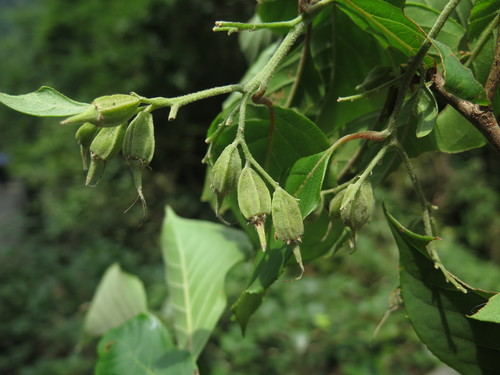
Styrax pohlii
A. DC.
Cananhema acu
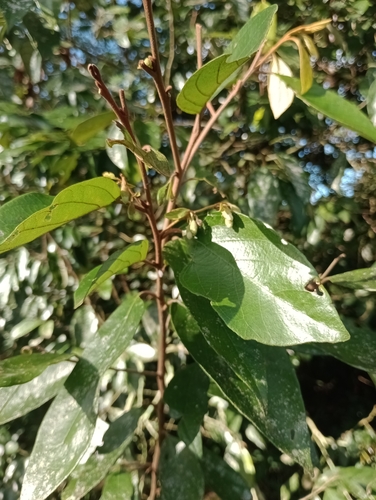
(c) Richard Matheus Fernandes, some rights reserved (CC BY-NC), uploaded by Richard Matheus Fernandes
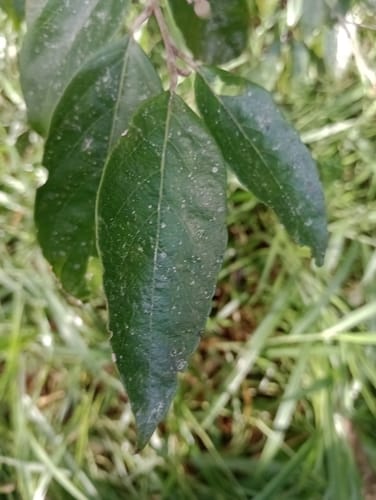
(c) Richard Matheus Fernandes, some rights reserved (CC BY-NC)
What to Eat
Edible parts: Fruit
The fruit can be eaten, though it is bitter and not widely consumed.
Where to Find It
It is a tropical plant.
Bolivia, Brazil, South America,
How to Identify
A medium-sized tropical tree in the Styracaceae family, growing 6–10 m tall and producing fruit.
How to Grow
Requires a sunny position. Newly planted young trees are slow to grow away, rarely exceeding 2 metres in height by the end of their second year.
Propagation: Seed - best sown as soon as it is ripe. The seed does not require pre-treatment, it can be sown in a nursery seedbed or in individual containers in light shade. Germination rates are usually low, with the seed taking 20 - 40 days to sprout. Pot up seedlings into individual containers when they are 4 - 6cm tall, and they should be ready to plant out 9 - 10 months later.
Medicinal Uses
The resin is used medicinally as a substitute for the Oriental resin. The plant (part not specified, but likely to be the resin) is used in research to obtain antibacterial compounds.
Other Uses
An aromatic resin is obtained from the trunk by tapping. It is used medicinally as a substitute for the Oriental resin. The wood is hard and moderately heavy, but of low durability when exposed. It is used in construction and internal applications. A pioneer species in its native range, where it is adapted to growing in moister areas, it is suitable for using in reforesting degraded areas.
Wikipedia
Source ↗Styrax pohlii is a species of tree in the family Styracaceae. It is native to South America.
Other Information
The fruit are bitter and therefore not popular.
Names & Synonyms
References (1)
- www.colecionandofrutas.org
More from Styracaceae