Bactris oligoclada
Burret
Plimpa seed, White seed

gbif · cc-by
The New York Botanical Garden
The New York Botanical Garden

gbif · cc-by
The New York Botanical Garden
The New York Botanical Garden

gbif · cc-by
The New York Botanical Garden
The New York Botanical Garden
What to Eat
Edible parts: Fruit, Seeds
The young fruits are eaten for their juicy, acidic flesh, and the seeds are cut open to eat the jelly inside. The fruit are mainly eaten by children.
Where to Find It
It is a tropical plant. It grows in mixed forests.
Guyana, South America,
How to Identify
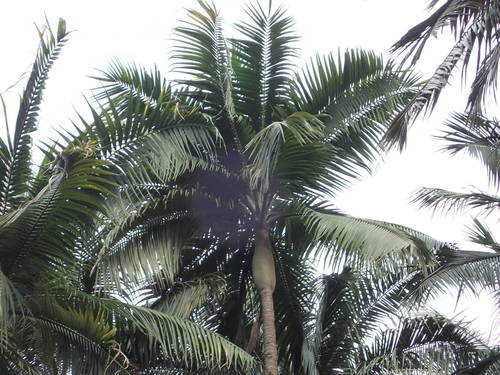
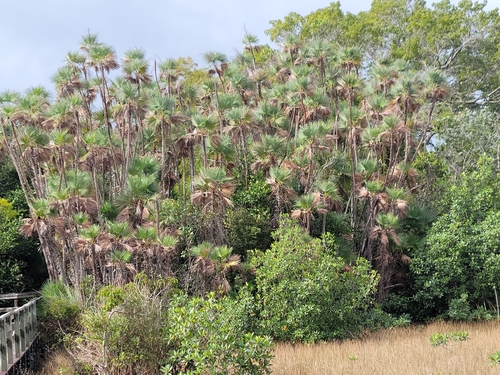
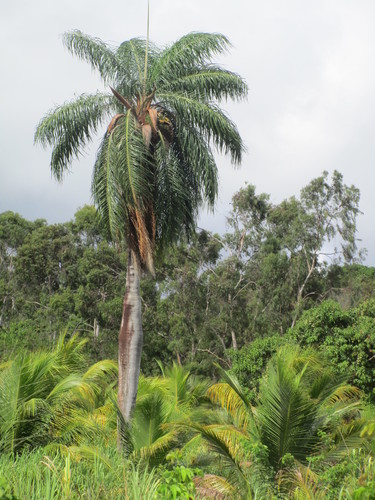
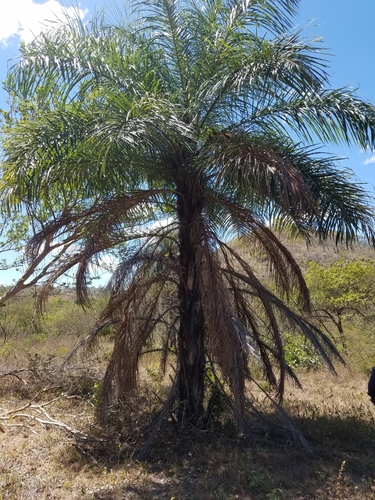
A palm. It has prickles and grows 2 m tall. The leaves are 1.5 m long. The spikes are soft, flat and black. The fruiting body is at the base of the stem. The fruit are small and round and 1.5 cm across. They are greenish white to orange and fleshy.
Medicinal Uses
A decoction of the heart (apical bud) is valued in treating bronchitis.
Other Information
The fruit are mainly eaten by children.
Names & Synonyms
Asako, Hi arau, Kasaku, Kidale banaro, Sourie
References (1)
- van Andel, T., 2000, Useful plants of Guyana. Non-timber forest products of the North-West District of Guyana. Part 2. A Field Guide. Tropenbos-Guyana Programme. p 298