Astrocaryum chonta
Mart.

gbif · cc-by-nc-nd
D. Wang
D. Wang

gbif · cc-by
GBIF
GBIF

gbif · cc-by
GBIF
GBIF
What to Eat
Edible parts: Fruit, Seeds, Palm heart
The liquid of unripe fruit is drunk as a beverage. The palm heart is eaten, though harvesting it kills the palm. Fruit are sold in local markets.
Known Hazards
Where to Find It
It is a tropical plant. It grows in occasionally flooded soils.
Amazon, Bolivia, Brazil, Peru, South America,
How to Identify
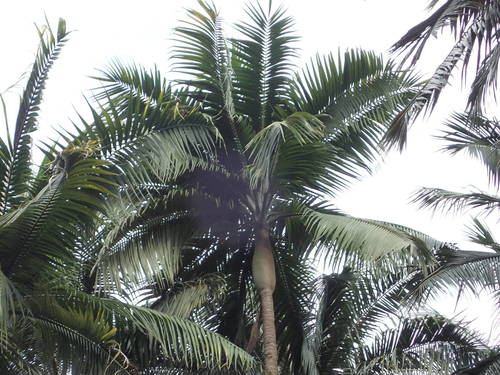
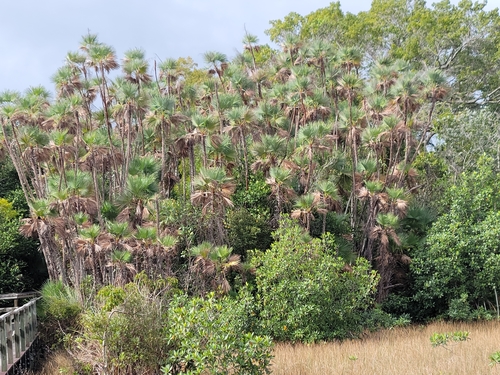
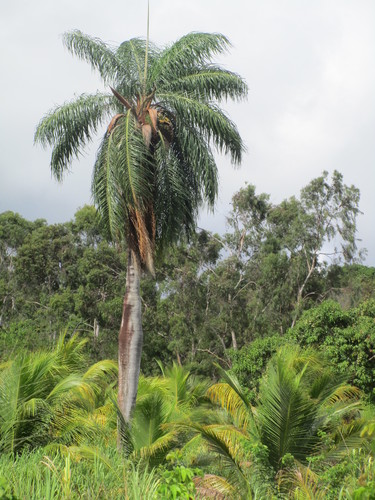
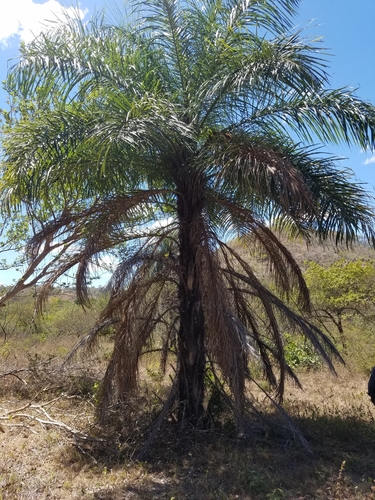
A palm. It grows 10 m tall and the trunk is 18-27 cm across. The crown has about 8-12 spiny leaves. These can be 6-12 m long. The fruit are brown and oval. They are 5-6 cm long and by 2.5 cm wide. They have one large seed.
Other Uses
The hard endocarp of various Amazonian species is commonly used to make beads and ornaments for necklaces
Other Information
Fruit are sold in local markets.
References (2)
- Ferns, Useful Tropical Plants
- Marcia, M. J., et al, 2011, Palm Uses in Northwestern South America: A Quantitative Review. Bot. Rev. (2011) 77:462-570