Astrocaryum gratum
F. Kahn & B. Millan
Chonta palm
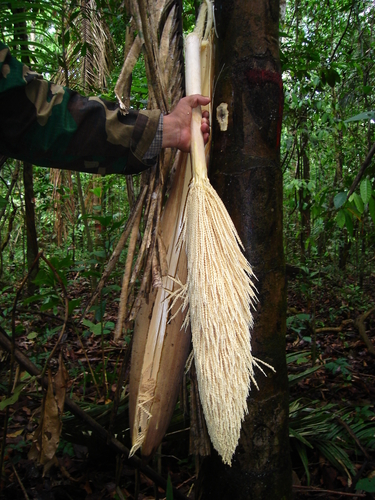
(c) Germaine Alexander Parada, some rights reserved (CC BY-NC), uploaded by Germaine Alexander Parada
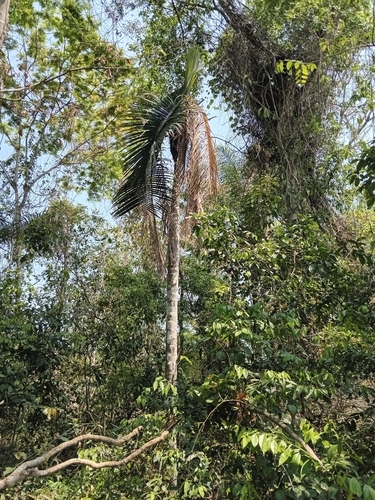
(c) jose_balderrama, some rights reserved (CC BY-NC)
What to Eat
Edible parts: Palm heart
Fruit - raw. The fleshy mesocarp is sweet and edible. The orange, obovate fruit is around 39 - 67mm long and 27 - 39mm wide with a fleshy layer up to 12mm thick and a single, large seed. The liquid endosperm of the unripe fruit is drunk[]. The palm heart (the inner core and growing bud of the plant) is harvested from various species in this genus. It provides a crispy food, rich in nutrients, that can be eaten raw or cooked. Harvesting the heart will lead to the death of the plant, however, since it is unable to produce side shoots. We have no specific information for this species, but the fruits and seeds of various species are reported to be used for oil production in the Amazon region. Existing analyses of fruit fat content show a relatively homogeneous composition among species, with around 20% of fat content in the mesocarp, mostly composed of oleic and palmitic acids, and 20-35% of fat content in the endosperm, with a predominance of lauric acid.
Where to Find It
It is a tropical plant. It grows in areas that are occasionally flooded as well as in lower mountain forests. It can tolerate shade.
Amazon, Bolivia, Brazil, Peru, South America,
How to Identify
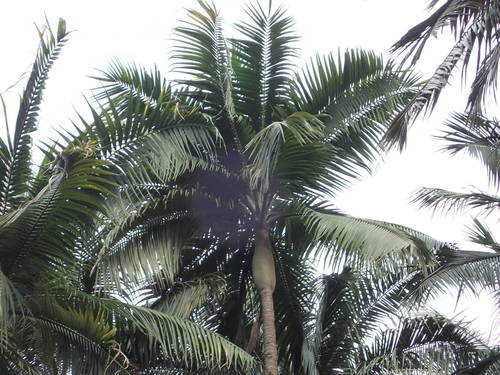
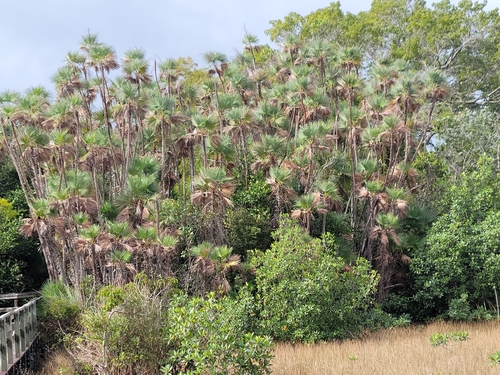
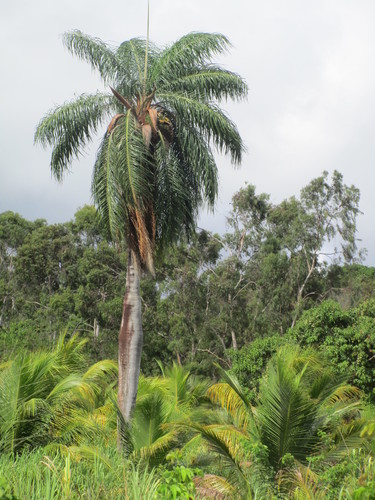
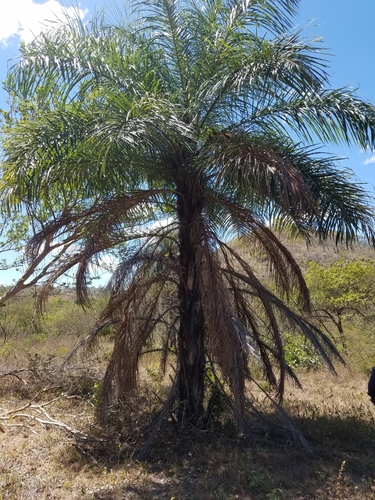
A palm. It grows 15 m tall. It has 6-25 leaves. They have 90-105 leaflets on each side. There are black spines on the trunk and leaf midrib. The flowering shoots are 1-1.5 m long. The fruit are oval and orange-yellow. These have small spines over them. The pulp of the fruit is succulent and covers on seed.
How to Grow
Plants grow from seed. These are usually spread naturally.
Other Uses
The hard endocarp of various Amazonian species is commonly used to make beads and ornaments for necklaces
References (2)
- Marcia, M. J., et al, 2011, Palm Uses in Northwestern South America: A Quantitative Review. Bot. Rev. (2011) 77:462-570
- World Checklist of Useful Plant Species 2020. Royal Botanic Gardens, Kew