Attalea vitrivir
Zona
Glassman attalea
landscape architecturelipids
iNaturalist · cc-by-nc
(c) Laurent Quéno, some rights reserved (CC BY-NC)
(c) Laurent Quéno, some rights reserved (CC BY-NC)
iNaturalist · cc-by-nc
(c) Laurent Quéno, some rights reserved (CC BY-NC)
(c) Laurent Quéno, some rights reserved (CC BY-NC)
iNaturalist · cc-by-nc
(c) Laurent Quéno, some rights reserved (CC BY-NC)
(c) Laurent Quéno, some rights reserved (CC BY-NC)
What to Eat
Edible parts: Seeds, Seeds - oil, Milk, Palm heart
The seeds are eaten and yield oil. The palm heart and milk from the plant are also consumed.
Where to Find It
It is a tropical plant.
Brazil, Peru, South America,
How to Identify
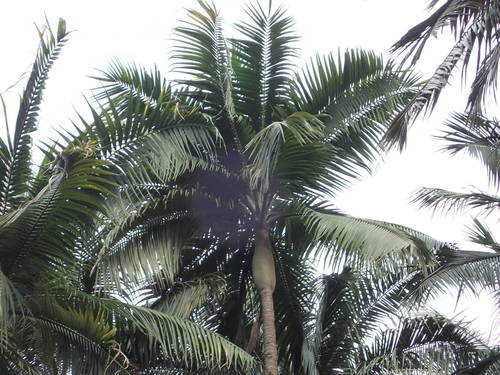
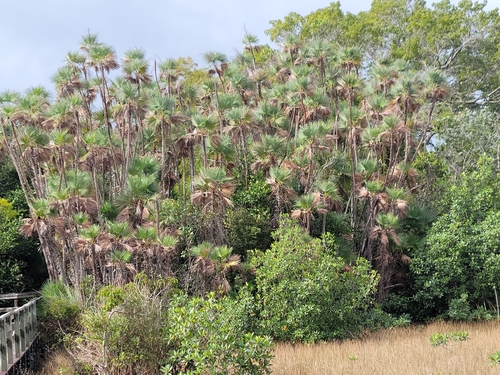
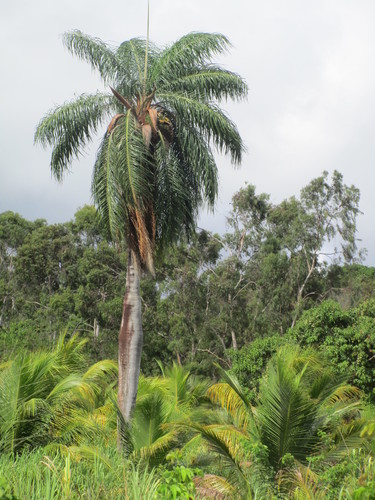
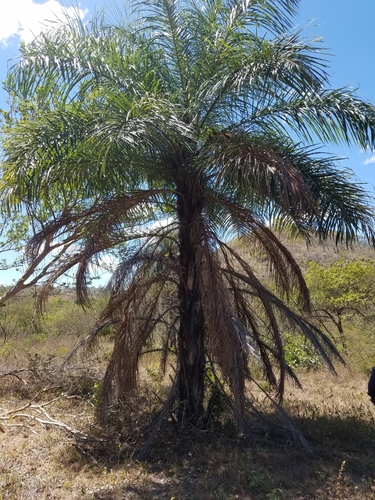
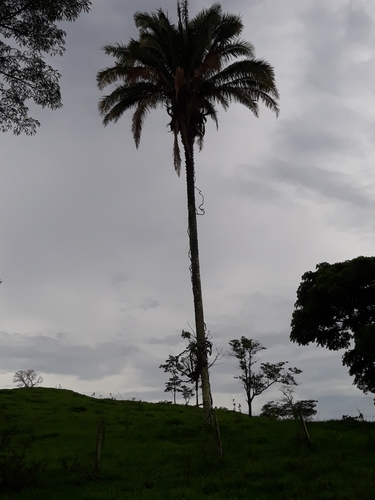
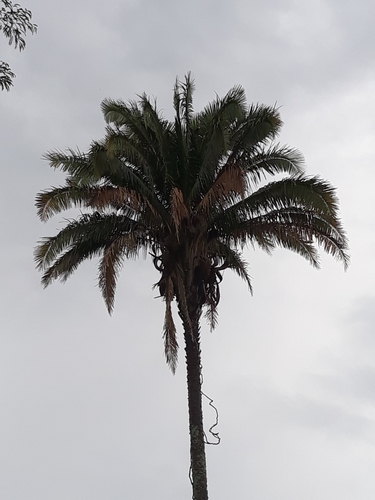
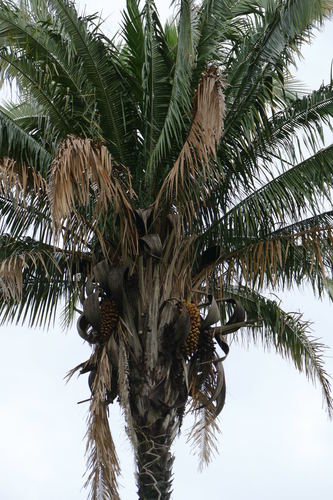
A palm. It grows 10-20 m tall. The trunk is 30-50 cm across. The leaves are 6-7.5 m long with 153-206 leaflets on each side. The fruit are 10-14 cm long by 6-9 cm wide. There are 4-6 seeds 4.5-6 cm long
Names & Synonyms
Babassu, Palmeira
Orbignya oleifera Burret
References (4)
- Glassman, A Taxonomic Treatment of the Palm Subtribe Attaleinae (Tribe Cocoeae). p 88 (As Orbignya oleifera)
- Grandtner, M. M. & Chevrette, J., 2013, Dictionary of Trees, Volume 2: South America: Nomenclature, Taxonomy and Ecology. Academic Press p 52
- Marcia, M. J., et al, 2011, Palm Uses in Northwestern South America: A Quantitative Review. Bot. Rev. (2011) 77:462-570
- World Checklist of Useful Plant Species 2020. Royal Botanic Gardens, Kew