Bactris coloradonis
L. H. Bailey
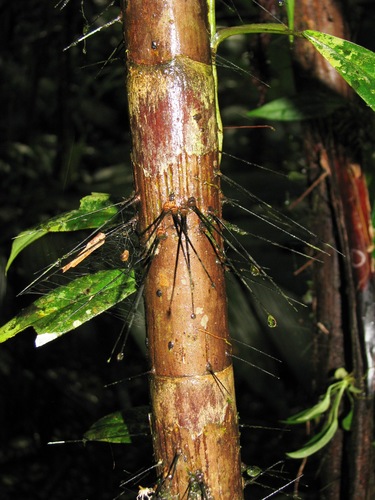
iNaturalist · cc-by-nc
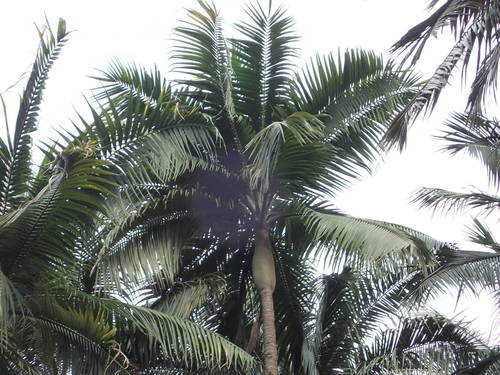
(c) Jan Meerman, some rights reserved (CC BY-NC), uploaded by Jan Meerman
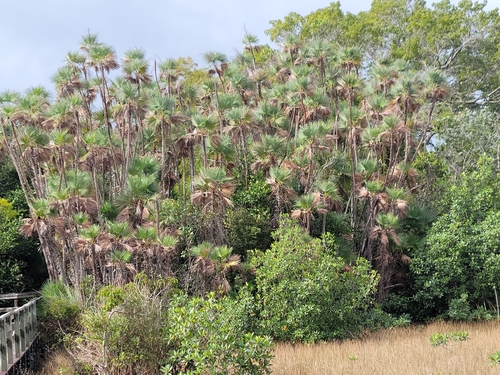
(c) Jan Meerman, some rights reserved (CC BY-NC), uploaded by Jan Meerman
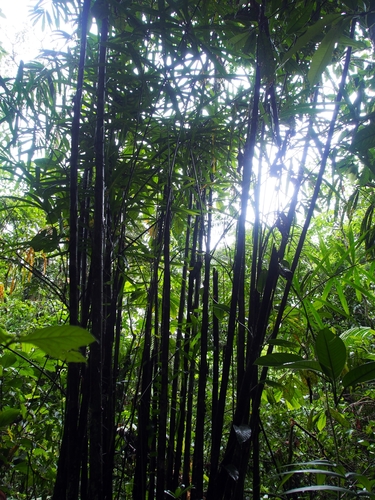
iNaturalist · cc-by-sa
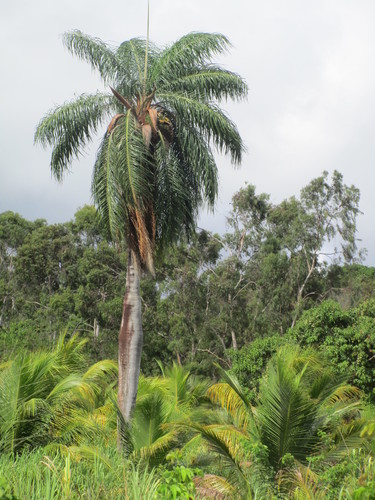
(c) Lena Struwe, some rights reserved (CC BY-SA), uploaded by Lena Struwe
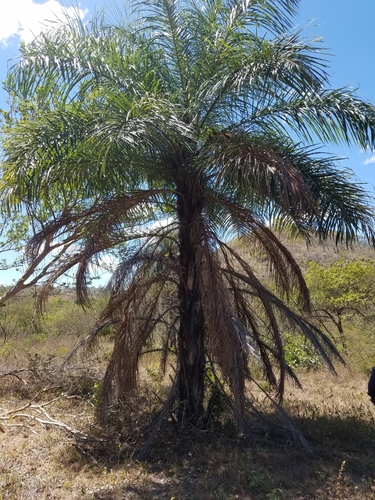
(c) Lena Struwe, some rights reserved (CC BY-SA), uploaded by Lena Struwe
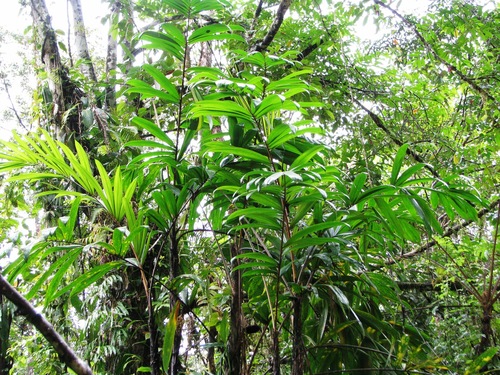
iNaturalist · cc-by-nc
(c) Jan Meerman, some rights reserved (CC BY-NC), uploaded by Jan Meerman
(c) Jan Meerman, some rights reserved (CC BY-NC), uploaded by Jan Meerman
What to Eat
Edible parts: Fruit, Seeds
Leaves - cooked. The apical bud, often known as a 'palm heart', is eaten as a vegetable. Eating this bud leads to the death of the tree because it is unable to make side shoots.
Where to Find It
It is a tropical plant.
Colombia, South America,
How to Identify
A tropical palm in the Arecaceae family. The fruit and seeds are edible.
Other Uses
The stems are used in the construction of the walls of ranches.
Names & Synonyms
Chacarra, Lata prieta
Bactris porschiana Burret
References (4)
- Lopez-Diago, D. & Garcia, N., 2021, Wild edible fruits of Colombia. Biota ColomBiana 22 (2) p 31
- Marcia, M. J., et al, 2011, Palm Uses in Northwestern South America: A Quantitative Review. Bot. Rev. (2011) 77:462-570
- Roa, J. A. G. & Boada, D. S. G., 2018, Fundación para el Fortalecimiento de la Fruticultura y Plantas Alimenticias no Convencionales en Colombia.
- World Checklist of Useful Plant Species 2020. Royal Botanic Gardens, Kew