Desmoncus giganteus
A. J. Hend.
ArecaceaeFruit
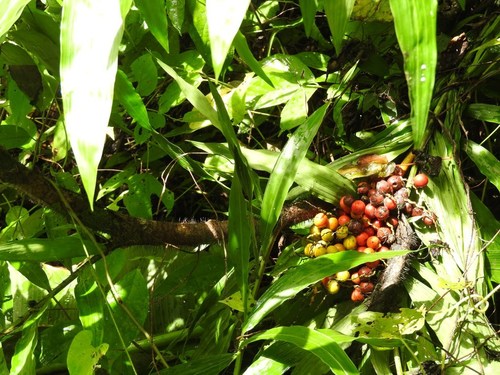
iNaturalist · cc-by-nc
(c) David Marroquin Perez, some rights reserved (CC BY-NC), uploaded by David Marroquin Perez
(c) David Marroquin Perez, some rights reserved (CC BY-NC), uploaded by David Marroquin Perez
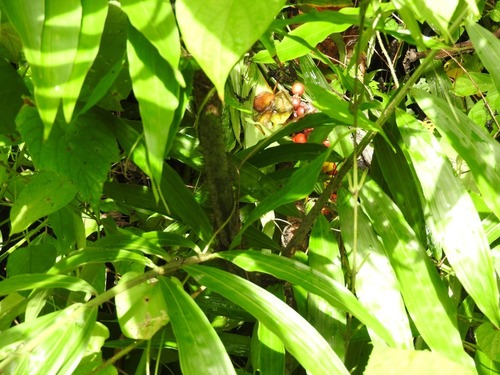
iNaturalist · cc-by-nc
(c) David Marroquin Perez, some rights reserved (CC BY-NC), uploaded by David Marroquin Perez
(c) David Marroquin Perez, some rights reserved (CC BY-NC), uploaded by David Marroquin Perez
What to Eat
Edible parts: Fruit
The fruit is edible.
Where to Find It
It is a tropical plant. It grows in the lowland rainforest between 150-440 m above sea level.
Amazon, Brazil, Colombia, Ecuador, Peru, South America,
How to Identify
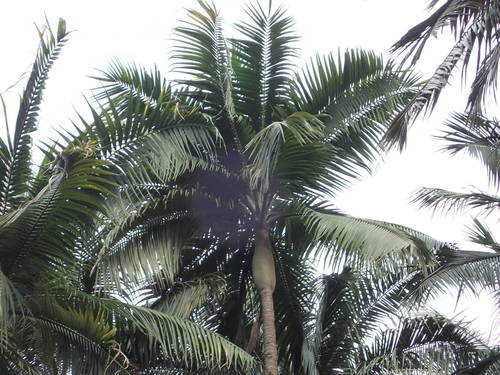
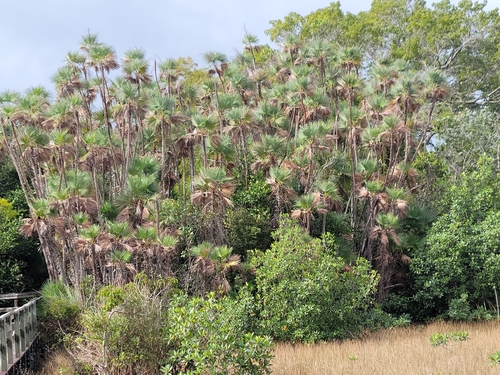
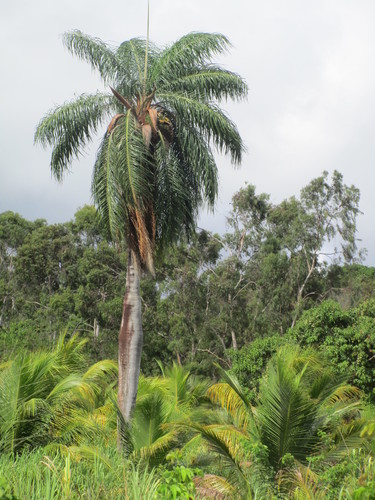
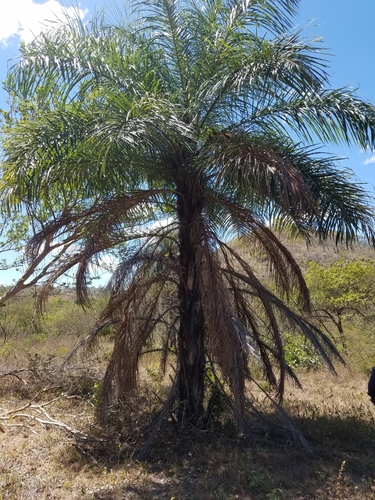
A palm. It grows 22 m tall. The stems are 4-5 cm across. The leaves are 1-2 m long. They have spines. There are 10 leaflets on each side. The fruit are 4 cm long by 2 cm wide.
Other Uses
The stems are used to weave various items.
Names & Synonyms
Makaya, Odokame, Supay chunta, Yeyedokame
References (6)
- Lopez-Diago, D. & Garcia, N., 2021, Wild edible fruits of Colombia. Biota ColomBiana 22 (2) p 31
- Marcia, M. J., et al, 2011, Palm Uses in Northwestern South America: A Quantitative Review. Bot. Rev. (2011) 77:462-570
- Palmpedia
- Roa, J. A. G. & Boada, D. S. G., 2018, Fundación para el Fortalecimiento de la Fruticultura y Plantas Alimenticias no Convencionales en Colombia.
- Torre, de la L., et al, 2008, Enciclopedia de las Plantas Útiles del Ecuador. Herbario QCA. Pontificia Universidad Católica del Ecuador. p 200
- World Checklist of Useful Plant Species 2020. Royal Botanic Gardens, Kew