Lepidocaryum tenue
Mart.
ArecaceaeFruit

iNaturalist · cc-by-nc-sa
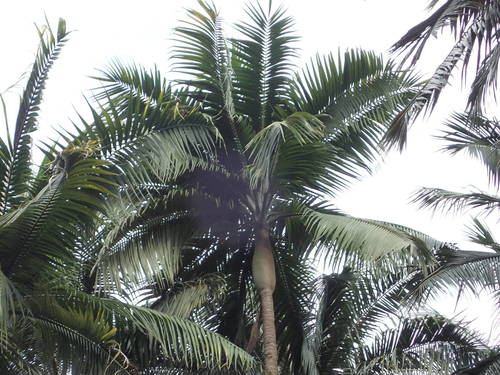
(c) Rich Hoyer, some rights reserved (CC BY-NC-SA), uploaded by Rich Hoyer
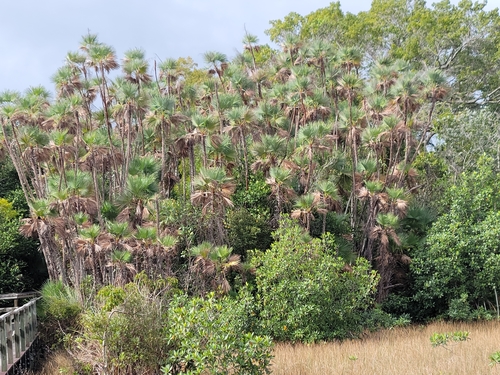
(c) Rich Hoyer, some rights reserved (CC BY-NC-SA), uploaded by Rich Hoyer

iNaturalist · cc-by-nc
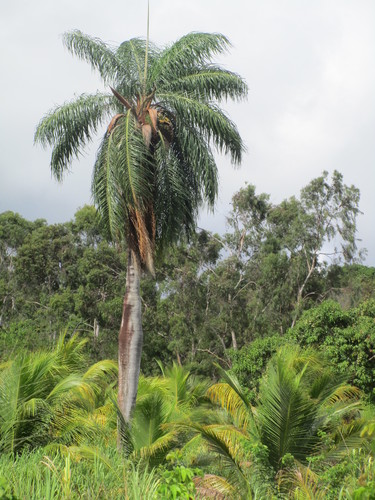
(c) marilinbu, some rights reserved (CC BY-NC)
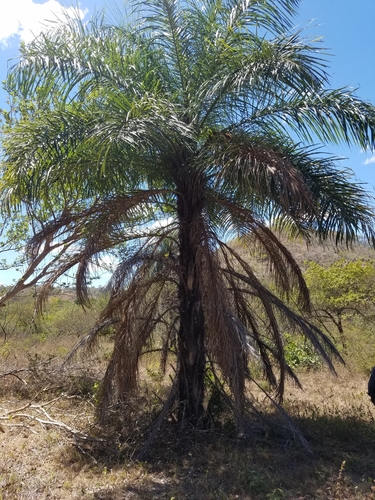
(c) marilinbu, some rights reserved (CC BY-NC)
What to Eat
Edible parts: Fruit
In the Amazonian region of Peru, particularly in and around Iquitos, the palm's leaves are widely used for thatching roofs.
Where to Find It
It is a tropical plant.
Amazon, Colombia, Peru, South America,
How to Identify
A tropical palm in the Arecaceae family.
How to Grow
A dioecious species, both male and female forms need to be grown if fruit and seed are required.
Other Uses
The leaves are used for thatching. The stems are used in basket making.
Names & Synonyms
Lepidocaryum allenii DugandLepidocaryum quadripartitum (Spruce) DrudeLepidocaryum tessmannii BurretMauritia quadripartita SpruceMauritia tenuis (Mart.) Spruce
References (3)
- Marcia, M. J., et al, 2011, Palm Uses in Northwestern South America: A Quantitative Review. Bot. Rev. (2011) 77:462-570
- Roa, J. A. G. & Boada, D. S. G., 2018, Fundación para el Fortalecimiento de la Fruticultura y Plantas Alimenticias no Convencionales en Colombia.
- World Checklist of Useful Plant Species 2020. Royal Botanic Gardens, Kew