Annona glauca
Schumach. & Thonn.
AnnonaceaeFruit
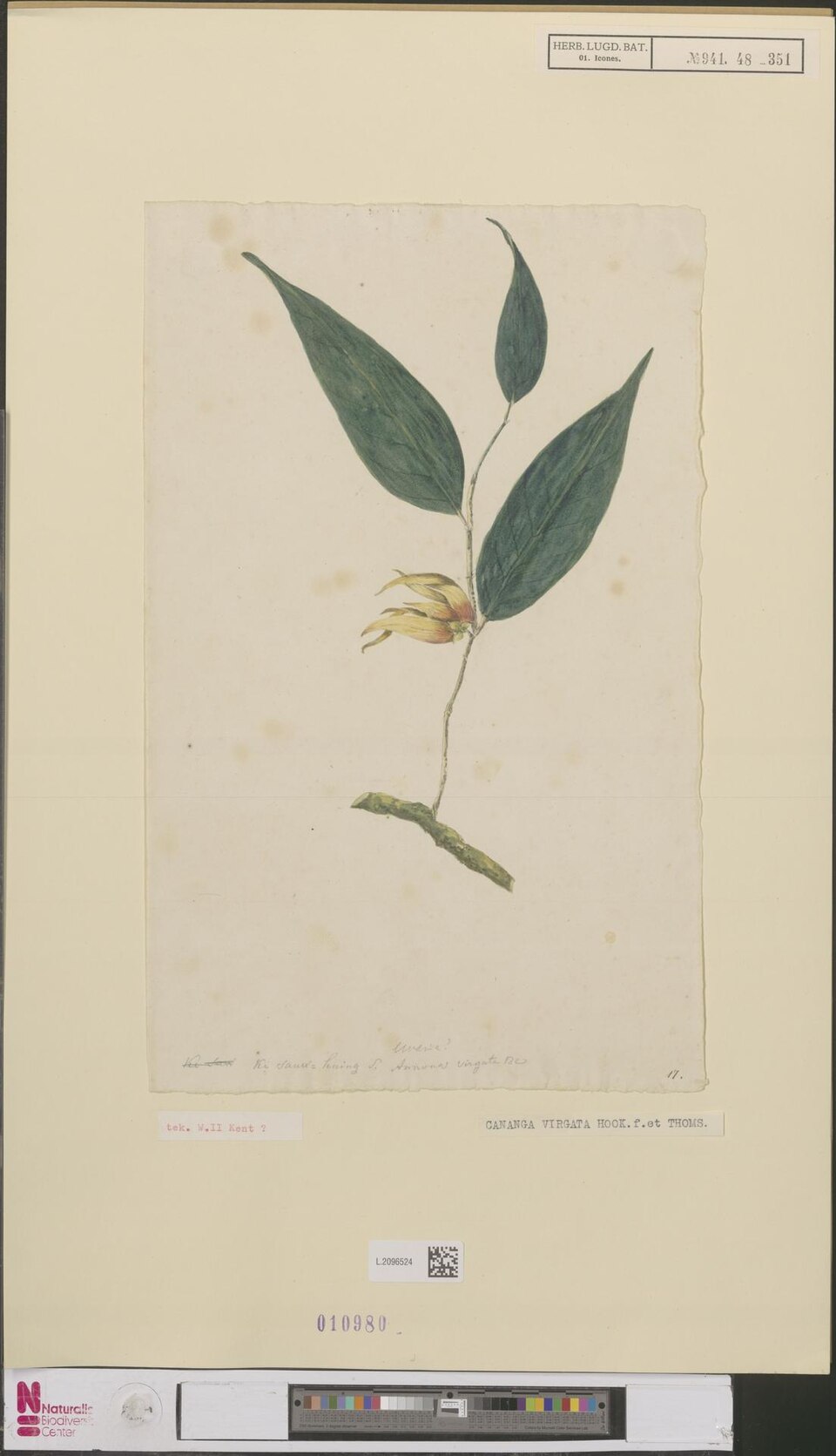
wikimedia · cc0
Wikimedia Commons - Hooker & Thomson
Wikimedia Commons - Hooker & Thomson
What to Eat
Edible parts: Fruit
The fruit is eaten.
Where to Find It
It is a tropical plant.
Africa, Benin, Burkina Faso, Ghana, Guinea, Guinée, Guinea-Bissau, Niger, Sahel, Senegal, Togo, West Africa,
Countries: Angola, Burkina Faso, Burundi, Benin, Botswana, Congo (DRC), Central African Republic, Congo (Republic), Cote d'Ivoire, Cameroon, Cape Verde, Djibouti, Algeria, Egypt, Eritrea, Ethiopia, Gabon, Ghana, Gambia, Guinea, Equatorial Guinea, Guinea-Bissau, Kenya, Comoros, Liberia, Lesotho, Libya, Morocco, Madagascar, Mali, Mauritania, Mauritius, Malawi, Mozambique, Namibia, Niger, Nigeria, Rwanda, Seychelles, Sudan, Sierra Leone, Senegal, Somalia, South Sudan, Sao Tome & Principe, Eswatini, Chad, Togo, Tunisia, Tanzania, Uganda, South Africa, Zambia, Zimbabwe
How to Identify
A shrub. It grows 1.5 m tall. The roots spread out under the soil parallel to the ground. These develop shoots and new shrubs. The leaves and simple and alternate. They are 6-15 cm long by 2.5-5.5 cm wide. The fruit have a clear pulp.
Names & Synonyms
Dangan, Digor yener, Dugur, Mampihege, Sunsun, Tongasu
Annona glauca var. minor Robyns & Ghesq.
References (4)
- Atato, A., et al, 2010, Diversity of Edible Wild Fruit Tree Species of Togo. Global Science Books.
- Atato, A.,et al, 2011, Edible Wild Fruit Highly Consumed during Food Shortage Period in Togo: State of Knowledge and Conservation Status. Journal of Life Sciences 5 (2011) 1046-1057
- Burkill, H. M., 1985, The useful plants of west tropical Africa. Vol. 1
- Djihounouck, Y., et al, 2018, Diversité Et Importance Socio-Economique Des Espèces Fruitières Sauvages Comestibles En Zone Kasa (Sud-Ouest Du Sénégal). European Scientific Journal December 2018 edition Vol.14, No.36 ISSN: 1857 – 7881


