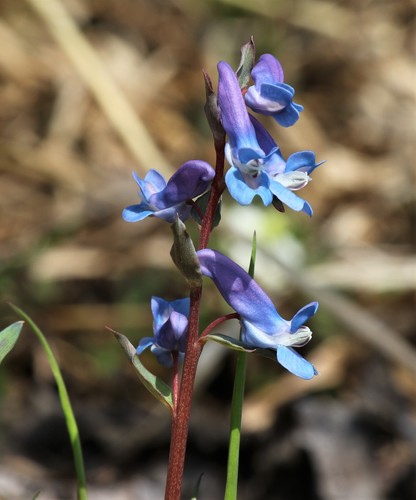
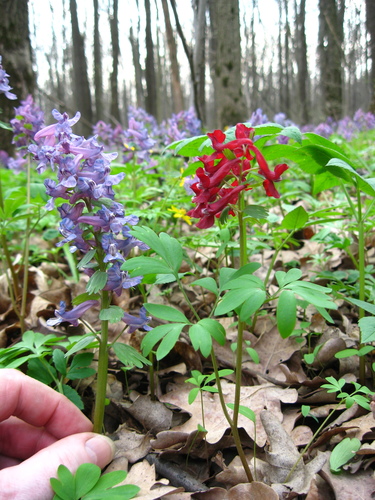
Roemeria hybrida
(L.) DC.

iNaturalist · cc-by-nc
(c) Seçkin Kanca, some rights reserved (CC BY-NC), uploaded by Seçkin Kanca
(c) Seçkin Kanca, some rights reserved (CC BY-NC), uploaded by Seçkin Kanca

iNaturalist · cc-by-nc
(c) Alexey P. Seregin, some rights reserved (CC BY-NC)
(c) Alexey P. Seregin, some rights reserved (CC BY-NC)

iNaturalist · cc-by-nc
(c) Alexey P. Seregin, some rights reserved (CC BY-NC)
(c) Alexey P. Seregin, some rights reserved (CC BY-NC)
What to Eat
Edible parts: Leaves, Stems, Shoots
The young leaves and stems are eaten raw in salads or cooked in stews.
Where to Find It
It is a Mediterranean plant.
Central Asia, Europe, Mediterranean, Spain, Tajikistan,
Countries: Andorra, Albania, Austria, Bosnia & Herzegovina, Belgium, Bulgaria, Belarus, Switzerland, Cyprus, Czechia, Germany, Denmark, Algeria, Estonia, Egypt, Spain, Finland, France, United Kingdom, Greece, Croatia, Hungary, Ireland, Israel, Iceland, Italy, Kyrgyzstan, Kazakhstan, Lebanon, Liechtenstein, Lithuania, Luxembourg, Latvia, Libya, Morocco, Monaco, Moldova, Montenegro, North Macedonia, Malta, Netherlands, Norway, Poland, Portugal, Romania, Serbia, Russia, Sweden, Slovenia, Slovakia, San Marino, Syria, Tajikistan, Turkmenistan, Tunisia, Turkey, Ukraine, Uzbekistan
How to Identify
A poppy herb in the Papaveraceae family native to the Mediterranean region.
Names & Synonyms
Amapola morada, Babaol dulce
Chelidonium hybrida L.and several others
References (2)
- Blanco-Salas, J., et al, 2019, Wild Plants Potentially Used in Human Food in the Protected Area “Sierra Grande de Hornachos” of Extremadura (Spain). Sustainability 2019, 11, 456
- Tardio, J., et al, 2006, Ethnobotanical review of wild edible plants in Spain. Botanical J. Linnean Soc. 152, 27-71