Brunfelsia chocoensis
Plowman
ElChoco raintree

Rapid Reference Collection (RRC) | Field Museum of Natural History - Keller Science Action Center

President and Fellows of Harvard College

President and Fellows of Harvard College
What to Eat
Edible parts: Fruit
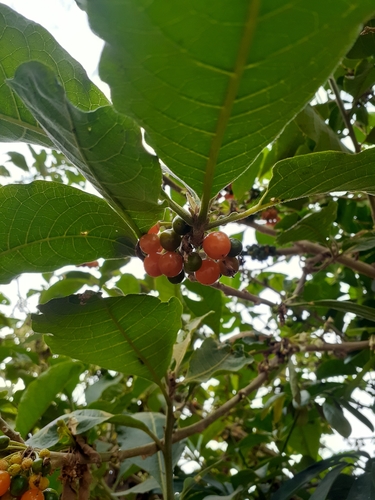
Fruit - raw. The yellow, globose fruit is up to 3cm in diameter, containing a thin layer of fleshy pulp.
Known Hazards
Where to Find It
It is a tropical plant.
Central America, Colombia, Panama, South America,
How to Identify
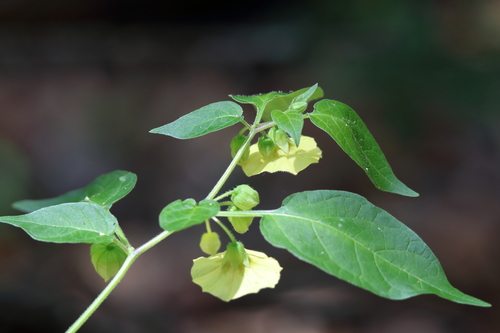
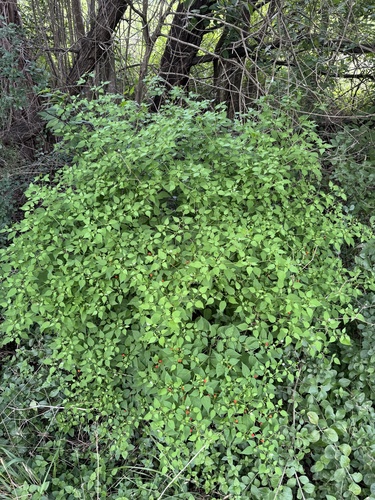
A tropical tree in the nightshade family (Solanaceae).
How to Grow
Grows best in a position with partial shade - when growing in full sun the foliage may scorch and drop. Prefers a loamy, fertile, humus-rich, moist but well-drained soil. Many species in this genus grow wild in alkaline soils and, in non-alkaline soils, all members of the genus can benefit from the addition of some ground limestone. The flowers are fragrant.
Propagation: Seed - it has a short period of viability and does not tolerate dessication. Sown fresh, it germinates within 2 - 4 weeks. Layering.
References (2)
- Grandtner, M. M. & Chevrette, J., 2013, Dictionary of Trees, Volume 2: South America: Nomenclature, Taxonomy and Ecology. Academic Press p 78
- Roa, J. A. G. & Boada, D. S. G., 2018, Fundación para el Fortalecimiento de la Fruticultura y Plantas Alimenticias no Convencionales en Colombia.