Couepia macrophylla
Spruce ex Hook.f.
Bigleaf couepia
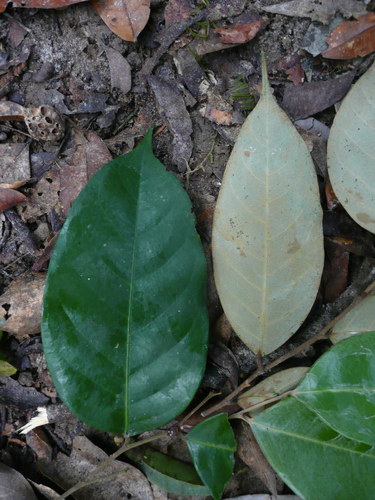
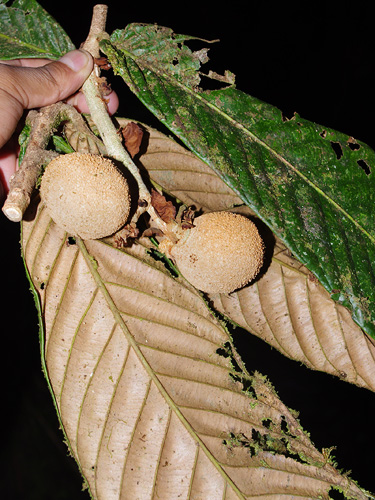
ChrysobalanaceaeFruit

iNaturalist · cc-by-nc
(c) Riley Fortier, some rights reserved (CC BY-NC), uploaded by Riley Fortier
(c) Riley Fortier, some rights reserved (CC BY-NC), uploaded by Riley Fortier

iNaturalist · cc-by-nc
(c) Riley Fortier, some rights reserved (CC BY-NC), uploaded by Riley Fortier
(c) Riley Fortier, some rights reserved (CC BY-NC), uploaded by Riley Fortier

iNaturalist · cc-by-nc
(c) Riley Fortier, some rights reserved (CC BY-NC), uploaded by Riley Fortier
(c) Riley Fortier, some rights reserved (CC BY-NC), uploaded by Riley Fortier
gbif · cc-by-nc
I. Huamantupa : Universidad Nacional San Antonio Abad de Cusco
I. Huamantupa : Universidad Nacional San Antonio Abad de Cusco

gbif · cc-by-nc
I. Huamantupa : Universidad Nacional San Antonio Abad de Cusco
I. Huamantupa : Universidad Nacional San Antonio Abad de Cusco

gbif · cc-by-nc
C. Dennis : Field Museum of Natural History - Botany Department
C. Dennis : Field Museum of Natural History - Botany Department
What to Eat
Edible parts: Fruit
The fruit is edible.
Where to Find It
It is a tropical plant.
Amazon, Brazil, Central America, Colombia, Ecuador, Panama, Peru, South America,
How to Identify
A tree. It grows 20 m tall and has a flat crown. The trunk is straight and The leaves are oblong and 19-22 cm long.
Other Uses
The heartwood is dark brown and only present in a thin layer; the sapwood is a uniform pale pinkish brown. The wood is hard, heavy, and durable. It is esteemed locally for general carpentry and to a limited extent for furniture.
Names & Synonyms
Ahuencamo, Cacao, Capri-cornia, Chibo-runtu-caspi, Huateto, Macucu-sangue, Migua carehue, Parinari
Couepia speciosa Pilg.
References (4)
- Grandtner, M. M. & Chevrette, J., 2013, Dictionary of Trees, Volume 2: South America: Nomenclature, Taxonomy and Ecology. Academic Press p 166
- Kew Plants of the World onLine
- Roa, J. A. G. & Boada, D. S. G., 2018, Fundación para el Fortalecimiento de la Fruticultura y Plantas Alimenticias no Convencionales en Colombia.
- Torre, de la, L., et al, 2008, Enciclopedia de las Plantas Útiles del Ecuador. Herbario QCA. Pontificia Universidad Católica del Ecuador. p 281