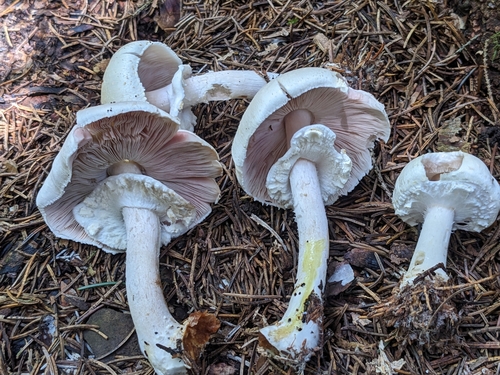
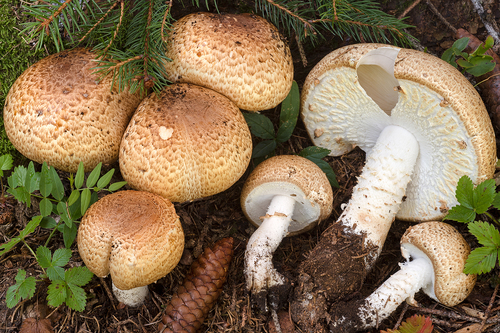
Agaricus devoniensis
P.D. Orton
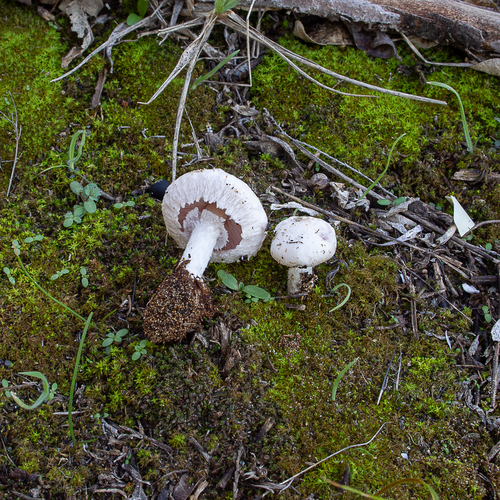
iNaturalist · cc-by-nc
(c) Mark Mowlazadeh, some rights reserved (CC BY-NC), uploaded by Mark Mowlazadeh
(c) Mark Mowlazadeh, some rights reserved (CC BY-NC), uploaded by Mark Mowlazadeh
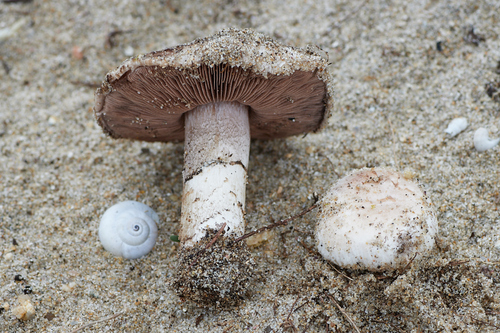
iNaturalist · cc-by-nc
(c) Borja Rodríguez-de-Francisco, some rights reserved (CC BY-NC), uploaded by Borja Rodríguez-de-Francisco
(c) Borja Rodríguez-de-Francisco, some rights reserved (CC BY-NC), uploaded by Borja Rodríguez-de-Francisco
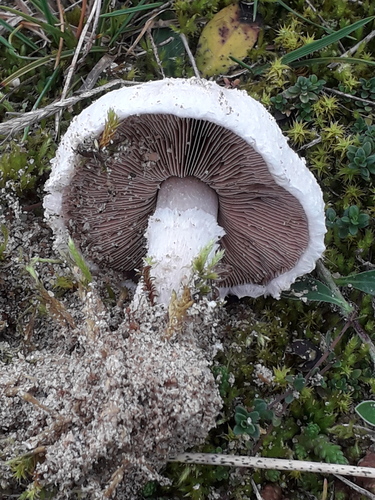
iNaturalist · cc-by-nc
(c) Xavier HURIEZ, some rights reserved (CC BY-NC), uploaded by Xavier HURIEZ
(c) Xavier HURIEZ, some rights reserved (CC BY-NC), uploaded by Xavier HURIEZ
What to Eat
Edible parts: Mushroom, Fungus
The genus contains the most widely consumed and best-known mushroom today, A. bisporus. Other well-known and highly regarded species include A. arvensis, A. augustus, and A. campestris. Agaricus porphyrocephalus is a choice edible when young, while A. subrufescens may be edible in some cases. Many other species are of culinary value, especially within sections Agaricus, Arvense, Duploannulatae and Sanguinolenti.
Known Hazards
Where to Find It
It is a temperate plant.
Asia, China,
Countries: United Arab Emirates, Afghanistan, Armenia, Azerbaijan, Bangladesh, Bahrain, Brunei, Bhutan, China, Georgia, Indonesia, Israel, India, Iraq, Iran, Jordan, Japan, Kyrgyzstan, Cambodia, North Korea, South Korea, Kuwait, Kazakhstan, Laos, Lebanon, Sri Lanka, Myanmar, Mongolia, Maldives, Malaysia, Nepal, Oman, Philippines, Pakistan, Qatar, Saudi Arabia, Singapore, Syria, Thailand, Tajikistan, Timor-Leste, Turkmenistan, Turkey, Taiwan, Uzbekistan, Vietnam, Yemen
How to Identify
A temperate mushroom in the Agaricaceae family.
References (1)
- Zhang, MZ, et al, 2017, The edible wild mushrooms of Agaricus section Bivelares from Western China. Mycosphere 8(10): 1640-1652