Hylomecon vernalis
Maxim.
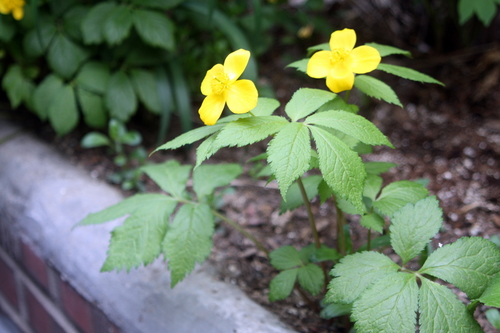
iNaturalist · cc-by-sa
(c) Dalgial, some rights reserved (CC BY-SA)
(c) Dalgial, some rights reserved (CC BY-SA)

iNaturalist · cc-by-nc
(c) Taisiia Poloshevets, some rights reserved (CC BY-NC)
(c) Taisiia Poloshevets, some rights reserved (CC BY-NC)
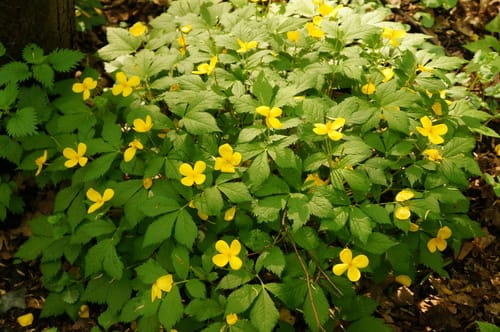
iNaturalist · cc-by-nc
(c) Иннокентий Паршков, some rights reserved (CC BY-NC)
(c) Иннокентий Паршков, some rights reserved (CC BY-NC)
What to Eat
Edible parts: Shoots, Caution
The shoots are edible.
Known Hazards
Where to Find It
It is a temperate plant.
Asia, China, Korea, Russia,
Countries: United Arab Emirates, Afghanistan, Armenia, Azerbaijan, Bangladesh, Bahrain, Brunei, Bhutan, China, Georgia, Indonesia, Israel, India, Iraq, Iran, Jordan, Japan, Kyrgyzstan, Cambodia, North Korea, South Korea, Kuwait, Kazakhstan, Laos, Lebanon, Sri Lanka, Myanmar, Mongolia, Maldives, Malaysia, Nepal, Oman, Philippines, Pakistan, Qatar, Russia, Saudi Arabia, Singapore, Syria, Thailand, Tajikistan, Timor-Leste, Turkmenistan, Turkey, Taiwan, Uzbekistan, Vietnam, Yemen
How to Identify
A temperate herbaceous plant in the Papaveraceae family.
Wikipedia
Source ↗Hylomecon vernalis is a species of flowering plant in the family Papaveraceae, native to China, Korea and the Russian Far East. It was first described by Karl Maximovich in 1859. It is known as the forest poppy.
Names & Synonyms
Chelidonium vernale (Maxim.) Ohwi
References (1)
- Lee, Y. M., 2014 Important Plants of East Asia II: Endemic Plant Stories. East Asia Biodiversity Conservation Network p 88