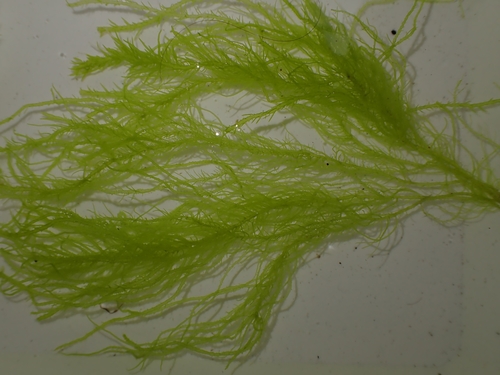
Ulva prolifera
O. F. Muller
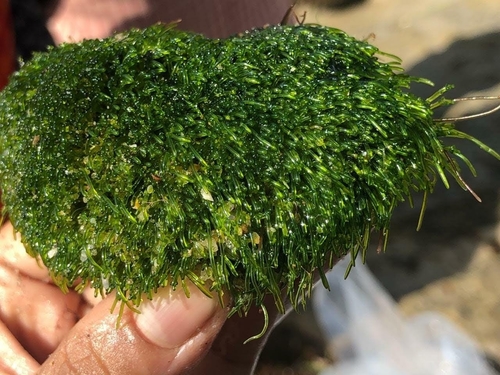
iNaturalist · cc-by-nc
(c) ann_sebastian, some rights reserved (CC BY-NC), uploaded by ann_sebastian
(c) ann_sebastian, some rights reserved (CC BY-NC), uploaded by ann_sebastian
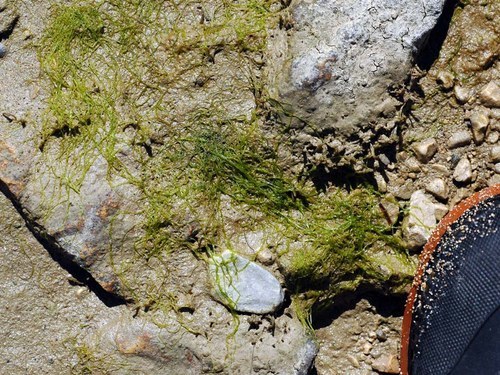
iNaturalist · cc-by-nc-sa
(c) Gary W. Saunders, University of New Brunswick, some rights reserved (CC BY-NC-SA)
(c) Gary W. Saunders, University of New Brunswick, some rights reserved (CC BY-NC-SA)
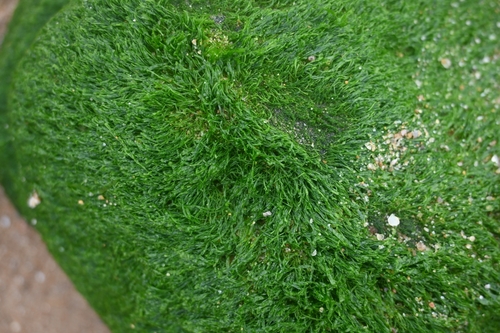
iNaturalist · cc-by-nc
(c) Chandra sekhar, some rights reserved (CC BY-NC), uploaded by Chandra sekhar
(c) Chandra sekhar, some rights reserved (CC BY-NC), uploaded by Chandra sekhar
What to Eat
Edible parts: Seaweed, Algae
The seaweed/algae is edible.
Known Hazards
Where to Find It
It is a temperate plant.
Alaska, Australia, Britain, Cuba, Europe, Iran, Ireland, Korea, Middle East, New Zealand, North America, Ukraine, USA, West Indies,
Countries: Andorra, United Arab Emirates, Antigua & Barbuda, Albania, Austria, Australia, Bosnia & Herzegovina, Barbados, Belgium, Bulgaria, Bahrain, Bahamas, Belarus, Belize, Canada, Switzerland, Costa Rica, Cuba, Cyprus, Czechia, Germany, Denmark, Dominica, Dominican Republic, Estonia, Spain, Finland, France, United Kingdom, Grenada, Greece, Guatemala, Honduras, Croatia, Haiti, Hungary, Ireland, Israel, Iraq, Iran, Iceland, Italy, Jamaica, Jordan, St Kitts & Nevis, South Korea, Kuwait, Lebanon, St Lucia, Liechtenstein, Lithuania, Luxembourg, Latvia, Monaco, Moldova, Montenegro, North Macedonia, Malta, Mexico, Nicaragua, Netherlands, Norway, Oman, Panama, Poland, Puerto Rico, Portugal, Qatar, Romania, Serbia, Russia, Saudi Arabia, Sweden, Slovenia, Slovakia, San Marino, El Salvador, Syria, Trinidad & Tobago, Ukraine, United States, St Vincent, Yemen
How to Identify
A red seaweed in the Ulvaceae family found in temperate waters.
Nutrition Score: 4/100
| Part | Moisture | kJ | kcal | Protein | Vit A | Vit C | Iron | Zinc |
|---|---|---|---|---|---|---|---|---|
| Seaweed | — | — | 19.9 | — | — | — | — | — |
Wikipedia
Source ↗Ulva prolifera (previously Enteromorpha prolifera), also known as the branched string lettuce, is a species of seaweed algae in the family Ulvaceae that can be found worldwide.
Names & Synonyms
Enteromorpha prolifera (O. F. Muller) J. Agardhand others
References (2)
- Cherry, P., et al, 2019, Risks and benefits of consuming edible seaweeds. Nutrition ReviewsVR Vol. 77(5):307–329
- World Checklist of Useful Plant Species 2020. Royal Botanic Gardens, Kew