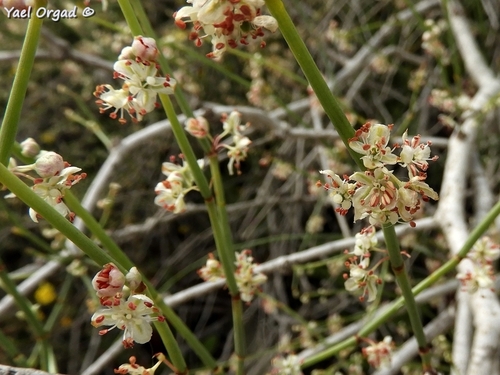
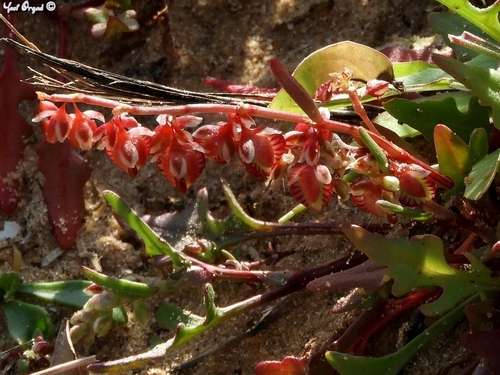
Rumex pictus
Forssk.
PolygonaceaeLeaves
iNaturalist · cc-by-nc
(c) Yael Orgad, some rights reserved (CC BY-NC), uploaded by Yael Orgad
(c) Yael Orgad, some rights reserved (CC BY-NC), uploaded by Yael Orgad

iNaturalist · cc-by-nc
(c) Kurt Lehrmann, some rights reserved (CC BY-NC)
(c) Kurt Lehrmann, some rights reserved (CC BY-NC)
What to Eat
Edible parts: Leaves
The leaves are eaten raw in salads or cooked with meals.
Where to Find It
It is a Mediterranean climate plant.
Africa, Egypt, Israel, Lebanon, Libya, Mediterranean, Middle East, North Africa, Saudi Arabia, Sinai,
Countries: United Arab Emirates, Albania, Angola, Bosnia & Herzegovina, Burkina Faso, Bahrain, Burundi, Benin, Botswana, Congo (DRC), Central African Republic, Congo (Republic), Cote d'Ivoire, Cameroon, Cape Verde, Cyprus, Djibouti, Algeria, Egypt, Eritrea, Spain, Ethiopia, France, Gabon, Ghana, Gambia, Guinea, Equatorial Guinea, Greece, Guinea-Bissau, Croatia, Israel, Iraq, Iran, Italy, Jordan, Kenya, Comoros, Kuwait, Lebanon, Liberia, Lesotho, Libya, Morocco, Monaco, Montenegro, Madagascar, Mali, Mauritania, Malta, Mauritius, Malawi, Mozambique, Namibia, Niger, Nigeria, Oman, Qatar, Rwanda, Saudi Arabia, Seychelles, Sudan, Slovenia, Sierra Leone, Senegal, Somalia, South Sudan, Sao Tome & Principe, Syria, Eswatini, Chad, Togo, Tunisia, Turkey, Tanzania, Uganda, Yemen, South Africa, Zambia, Zimbabwe
How to Identify
A herb from Mediterranean climate regions in the family Polygonaceae.
Names & Synonyms
Acetosa bipinnata Chaz.Acetosa picta (Forssk.) A. Love & KapoorAnaliton bipinnatus Raf.Rumex lacerus Balb.
References (2)
- Bidak, L. M., et al, 2015, Goods and services provided by native plants in desert ecosystems: Examples from the northwestern coastal desert of Egypt. Global Ecology and Conservation 3 (2015) 433–447
- Mahklouf, M. H., 2019, Ethnobotanical Study of Edible Wild Plants in Libya. European Journal of Ecology. 5(2): 30-40