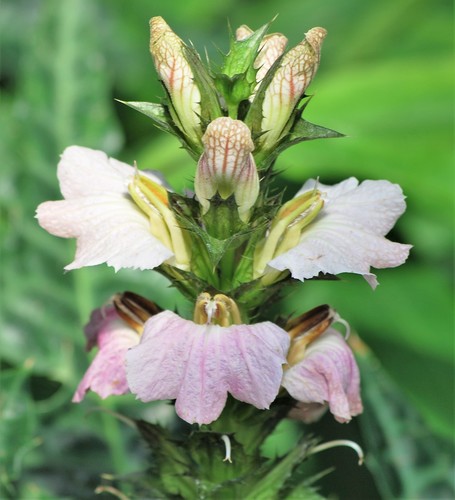
Acanthus dioscoridis
L.

iNaturalist · cc-by-sa
(c) Dûrzan Cîrano, some rights reserved (CC BY-SA)
(c) Dûrzan Cîrano, some rights reserved (CC BY-SA)
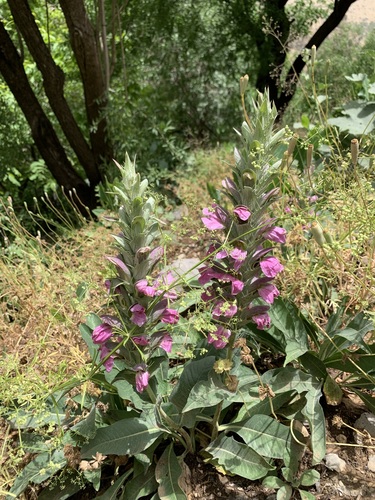
iNaturalist · cc-by-nc
(c) Arya Aras, some rights reserved (CC BY-NC), uploaded by Arya Aras
(c) Arya Aras, some rights reserved (CC BY-NC), uploaded by Arya Aras
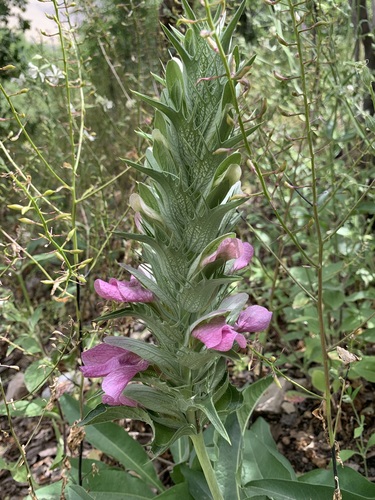
iNaturalist · cc-by-nc
(c) Arya Aras, some rights reserved (CC BY-NC), uploaded by Arya Aras
(c) Arya Aras, some rights reserved (CC BY-NC), uploaded by Arya Aras
What to Eat
Edible parts: Flower, Flowers - tea
The flowers are eaten and are traditionally brewed as tea.
Where to Find It
It is a temperate plant.
Bulgaria, Europe, Turkey, Türkiye,
Countries: Andorra, Albania, Austria, Bosnia & Herzegovina, Belgium, Bulgaria, Belarus, Switzerland, Cyprus, Czechia, Germany, Denmark, Estonia, Spain, Finland, France, United Kingdom, Greece, Croatia, Hungary, Ireland, Iceland, Italy, Liechtenstein, Lithuania, Luxembourg, Latvia, Monaco, Moldova, Montenegro, North Macedonia, Malta, Netherlands, Norway, Poland, Portugal, Romania, Serbia, Russia, Sweden, Slovenia, Slovakia, San Marino, Turkey, Ukraine
How to Identify
A shrub or small tree. It grows 5 m tall. There are prickles along the stem. The leaves are twice divided and there are 8-18 pairs of pinnae. There are up to 50 pairs of pinnules on each pinnae. The flowers are yellow. They are in large clusters at the ends of branches. The pods are flattened.
Wikipedia
Source ↗Acanthus dioscoridis is a species of flowering plant in the genus Acanthus, family Acanthaceae. A shrub, it is native to wetlands from southern Turkey to western Iran, including Iraq, Lebanon, Syria, Armenia, Georgia, and Azerbaijan.
Other Information
It is sold in local markets.
Names & Synonyms
Ayikulagi, lokman ayıpençesi
References (2)
- Dogan, A. & Tuzlaci, E., 2015, Wild Edible Plants of Pertek (Tunceli-Turkey). Marmara Pharmaceutical Journal 19: 126-135
- Ertug, F, Yenen Bitkiler. Resimli Türkiye Florası -I- Flora of Turkey - Ethnobotany supplement