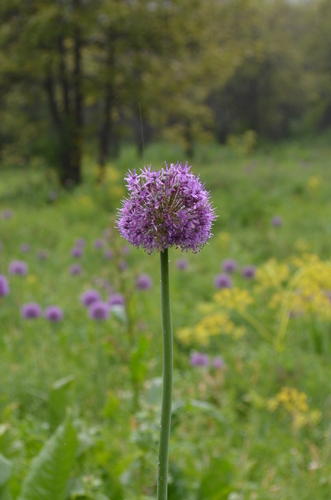
Allium pseudoflavum
Vved.
AmaryllidaceaeLeaves
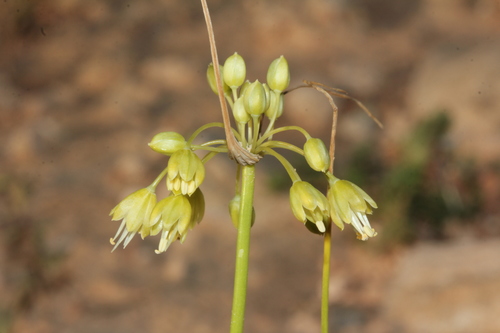
iNaturalist · cc-by-nc
(c) sami-youssef, some rights reserved (CC BY-NC), uploaded by sami-youssef
(c) sami-youssef, some rights reserved (CC BY-NC), uploaded by sami-youssef
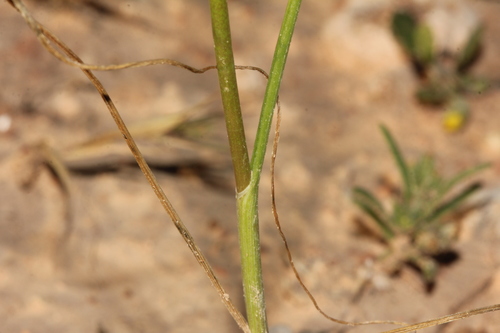
iNaturalist · cc-by-nc
(c) sami-youssef, some rights reserved (CC BY-NC), uploaded by sami-youssef
(c) sami-youssef, some rights reserved (CC BY-NC), uploaded by sami-youssef

iNaturalist · cc-by-nc
(c) Dmitry Kutcherov, some rights reserved (CC BY-NC), uploaded by Dmitry Kutcherov
(c) Dmitry Kutcherov, some rights reserved (CC BY-NC), uploaded by Dmitry Kutcherov
What to Eat
Edible parts: Leaves
The leaves are edible.
Where to Find It
It is a temperate and Mediterranean climate plant.
Europe, Turkey, Türkiye,
Countries: Andorra, Albania, Austria, Bosnia & Herzegovina, Belgium, Bulgaria, Belarus, Switzerland, Cyprus, Czechia, Germany, Denmark, Estonia, Spain, Finland, France, United Kingdom, Greece, Croatia, Hungary, Ireland, Iceland, Italy, Liechtenstein, Lithuania, Luxembourg, Latvia, Monaco, Moldova, Montenegro, North Macedonia, Malta, Netherlands, Norway, Poland, Portugal, Romania, Serbia, Russia, Sweden, Slovenia, Slovakia, San Marino, Turkey, Ukraine
How to Identify
An herb in the onion family (Amaryllidaceae) suited to temperate and Mediterranean climates.
Names & Synonyms
Allium filifolium Freyn & Sint.Allium schchianae Ogan.
References (1)
- Ertug, F, Yenen Bitkiler. Resimli Türkiye Florası -I- Flora of Turkey - Ethnobotany supplement