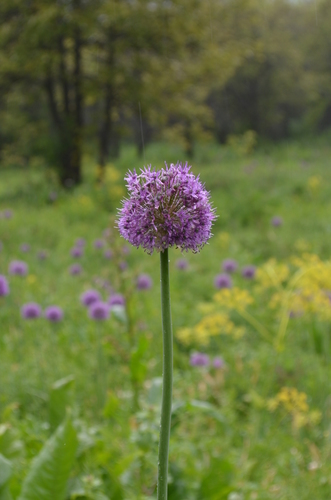
Allium amethystinum
Tausch
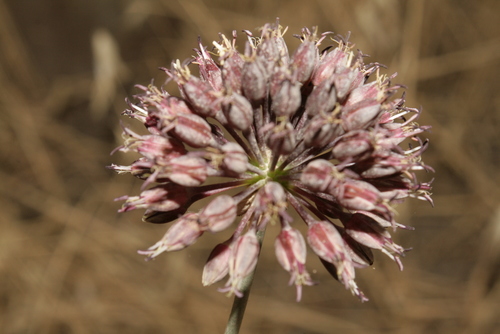
(c) Errol Véla, some rights reserved (CC BY-NC), uploaded by Errol Véla
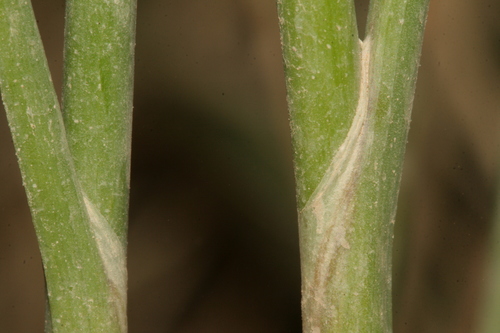
(c) Errol Véla, some rights reserved (CC BY-NC), uploaded by Errol Véla
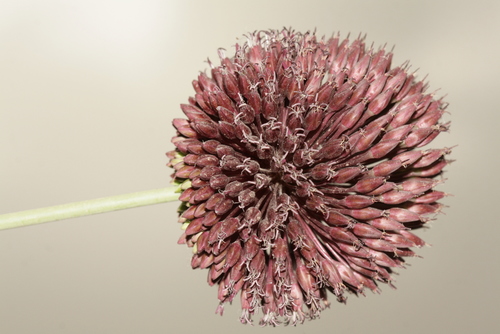
(c) Errol Véla, some rights reserved (CC BY-NC), uploaded by Errol Véla
What to Eat
Edible parts: Leaves
The leaves are eaten.
Where to Find It
It is a Mediterranean climate plant.
Europe, Italy, Mediterranean,
How to Identify
An herb in the Amaryllidaceae (onion) family adapted to Mediterranean climates.
Wikipedia
Source ↗Allium amethystinum is a plant species native to Italy, Greece, Turkey, Sicily, Crete, Malta, Albania, Bulgaria, and the former Yugoslavia, and cultivated elsewhere as an ornamental. It is one of several species that horticulturalists refer to as "drumstick onions" because of the tight spherical "knob" of flowers at the top, resembling a drumstick. Allium amethystinum has a single bulb. Leaves are tubular, withering before flowering time. Flowers are reddish-purple, the tepals barely opening at flowering time, remaining wrapped around the ovary and filaments so that only the anthers and stigma are exposed.
Names & Synonyms
References (1)
- Biscotti, N. et al, 2018, The traditional food use of wild vegetables in Apulia (Italy) in the light of Italian ethnobotanical literature. Italian Botanist 5:1-24