Phytelephas schottii
H. Wendl.

(c) Peter Hollinger, some rights reserved (CC BY-NC)
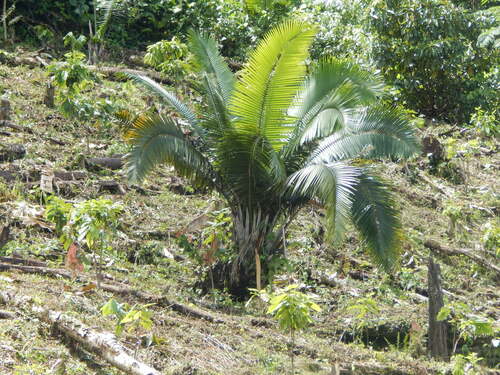
(c) Jhon Alexander Mantilla Carreño, some rights reserved (CC BY-NC)

(c) Santiago Mailhos, some rights reserved (CC BY-NC)
What to Eat
Edible parts: Nut, Palm hearts
The nuts are eaten, and palm hearts are harvested.
Where to Find It
A tropical plant. It can grow up to 1,000-1,200 m above sea level. It grows in shady areas with rainfall up to 2,500 mm a year.
Colombia, South America,
How to Identify
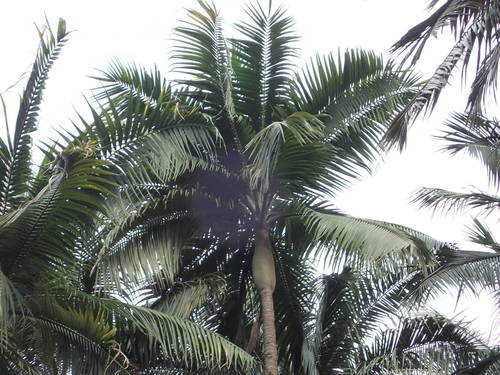
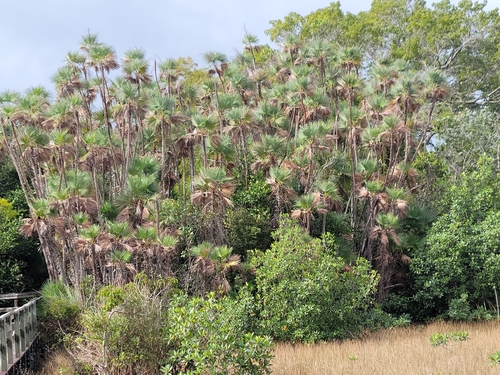
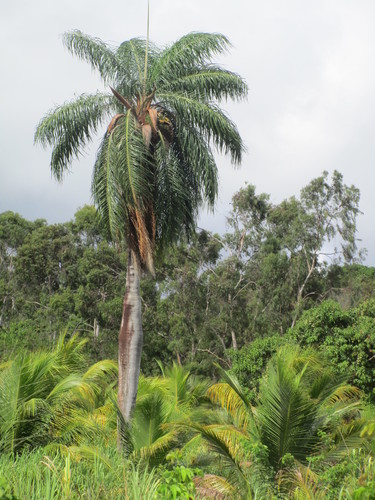
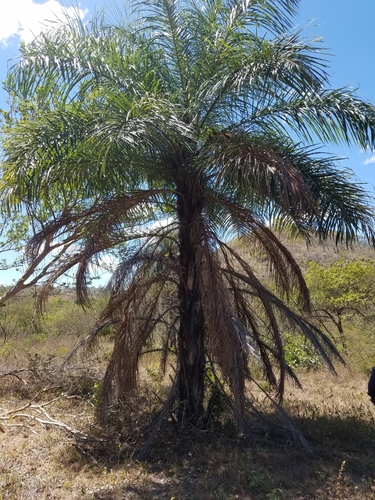
A palm tree in the Arecaceae family native to tropical regions, growing at elevations of 1,000–1,200 m in shady areas with high rainfall (up to 2,500 mm annually).
Other Uses
The endocarp of the mature seed is very hard. Known as vegetable ivory, it is used for making buttons, chess pieces and ornamental articles of various kinds.
Wikipedia
Source ↗Phytelephas schottii, the corozo palm, is a palm tree native to Colombia which bears a fruit which in Colombia is called corozo. The corozo fruit is often made into a sweet beverage called jugo de corozo.
Names & Synonyms
References (1)
- Janick, J. & Paul, R. E. (Eds.), 2008, The Encyclopedia of Fruit & Nuts. CABI p 152