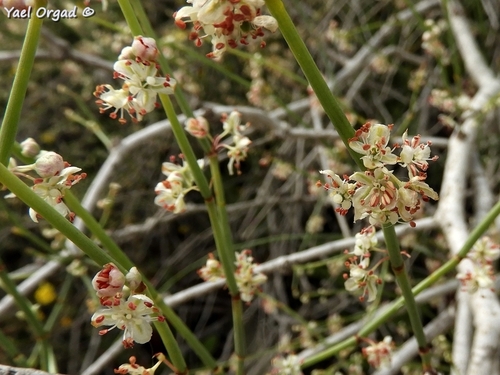
Polygonum verticillatum
Birolli ex Colla
PolygonaceaeLeaves

wikimedia · cc0
Wikimedia Commons - Georgius Jacobus Johannes van Os
Wikimedia Commons - Georgius Jacobus Johannes van Os

wikimedia · cc0
Wikimedia Commons - Georgius Jacobus Johannes van Os
Wikimedia Commons - Georgius Jacobus Johannes van Os
What to Eat
Edible parts: Leaves
The leaves are eaten as a vegetable.
Where to Find It
It is a temperate plant.
Asia, Himalayas, India, Nepal, Pakistan,
Countries: United Arab Emirates, Afghanistan, Armenia, Azerbaijan, Bangladesh, Bahrain, Brunei, Bhutan, China, Georgia, Indonesia, Israel, India, Iraq, Iran, Jordan, Japan, Kyrgyzstan, Cambodia, North Korea, South Korea, Kuwait, Kazakhstan, Laos, Lebanon, Sri Lanka, Myanmar, Mongolia, Maldives, Malaysia, Nepal, Oman, Philippines, Pakistan, Qatar, Saudi Arabia, Singapore, Syria, Thailand, Tajikistan, Timor-Leste, Turkmenistan, Turkey, Taiwan, Uzbekistan, Vietnam, Yemen
How to Identify
A herbaceous plant in the buckwheat family (Polygonaceae) found in temperate regions.
Notes
The scientific name is ambiguous.
Names & Synonyms
Khinaudo, Miralam, Nigali sag, Salam mishri
References (4)
- Aryal, K. P., et al, 2018, Diversity and use of wild and non-cultivated edible plants in the Western Himalaya. Journal of Ethnobiology and Ethnomedicine (2018) 14:10
- Khalid, N., et al, 2023, Wild food plants gathered by four cultural groups in North Waziristan, Pakistan. Genet Resour Crop Evol. 70:1243–1276
- Rana, D., et al, 2020, Use of medicinal plants for treating different ailments by the indigenous people of Churah subdivision of district Chamba, Himachal Pradesh, India. Environment, Development and Sustainability. Springer.
- Sharma, P., et al, 2013, Wild edibles of Murari Devi and surrounding areas in Mandi district of Himachal Pradesh, India. International Journal of Biodiversity and Conservation. Vol. 5(9), pp. 580-592, September 2013