Asterogyne martiana
(H. Wendl.) H. Wendl. ex Drude
ArecaceaeFruit

iNaturalist · cc-by-nc-sa
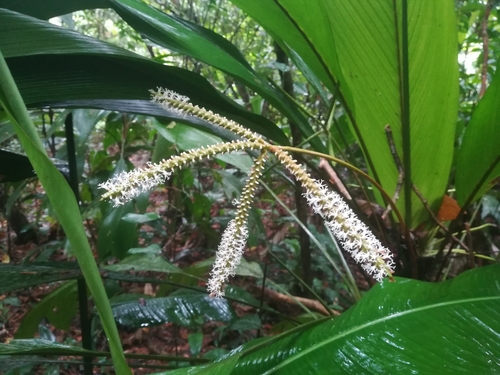
(c) Reinaldo Aguilar, some rights reserved (CC BY-NC-SA)
(c) Reinaldo Aguilar, some rights reserved (CC BY-NC-SA)
iNaturalist · cc-by-nc
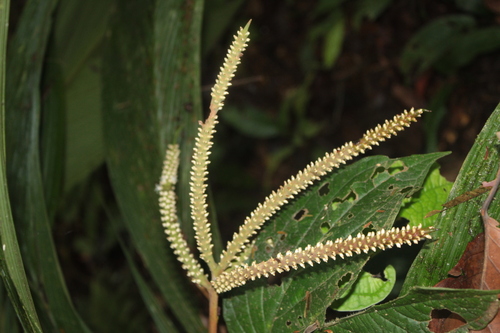
(c) Oliver Komar, some rights reserved (CC BY-NC), uploaded by Oliver Komar
(c) Oliver Komar, some rights reserved (CC BY-NC), uploaded by Oliver Komar
iNaturalist · cc-by-nc
(c) Stephanie Lyon, some rights reserved (CC BY-NC), uploaded by Stephanie Lyon
(c) Stephanie Lyon, some rights reserved (CC BY-NC), uploaded by Stephanie Lyon
What to Eat
Edible parts: Fruit
The fruit are edible.
Where to Find It
It is a tropical plant. It grows in moist soils.
Belize, Central America, Colombia, Costa Rica, Ecuador, Guatemala, Honduras, Nicaragua, Panama,
Countries: Belize, Colombia, Costa Rica, Ecuador, Guatemala, Honduras, Nicaragua, Panama, El Salvador
How to Identify
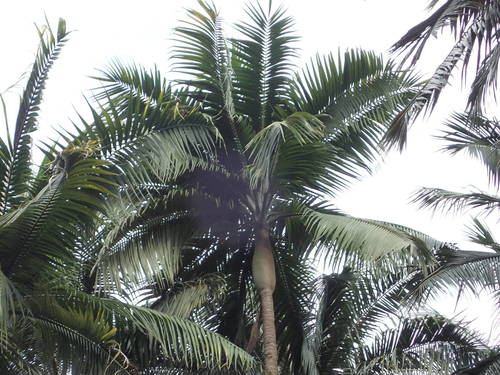
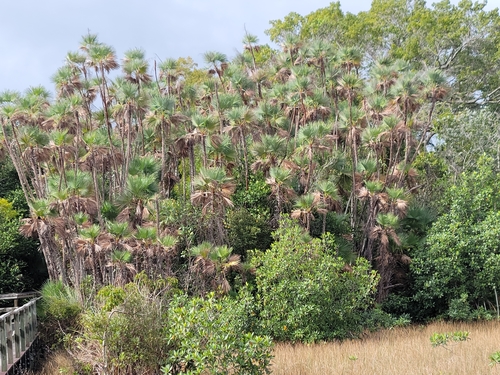
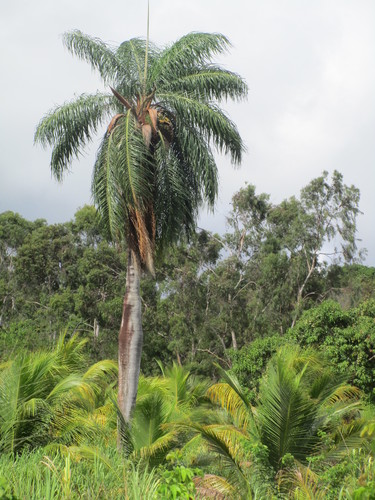
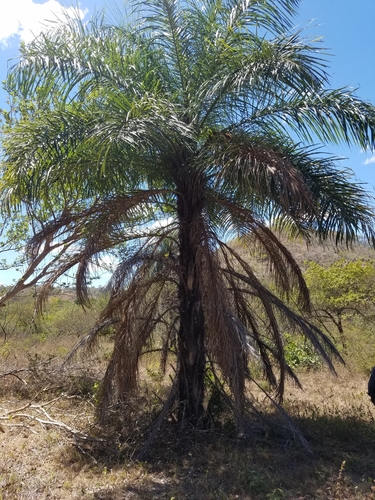
A palm. It grows 2 m tall and spreads 1.5 m wide. The trunk is 5 cm across. The leaves are 0.9 m long and have leaflets along the side. The fruit are oval and purple. They are 1.2 cm long.
How to Grow
Grows best in the light shade of a woodland. Requires a moist to wet soil.
Other Uses
The leaves are commonly used for thatching.
Names & Synonyms
Suita
Asterogyne martiana (H. Wendl.) H. Wend. ex Hemsl.Asterogyne minor BurretGeonoma martiana H. Wendl.Geonoma trifurcata Oerst.
References (3)
- Ferns, Tropical Edible Plants
- Palmpedia
- Roa, J. A. G. & Boada, D. S. G., 2018, Fundación para el Fortalecimiento de la Fruticultura y Plantas Alimenticias no Convencionales en Colombia.