Citronella paniculata
(Mart.) R. A. Howard
(c) Frederico Acaz Sonntag, some rights reserved (CC BY-NC), uploaded by Frederico Acaz Sonntag
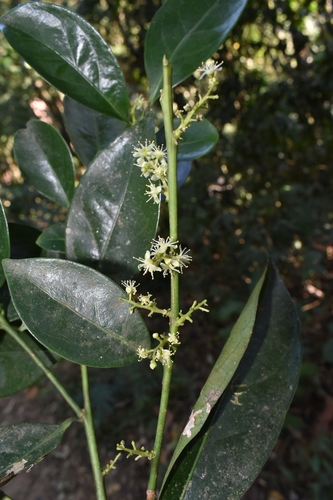
(c) Gabriel Silva Guimarães, some rights reserved (CC BY-NC)
What to Eat
Edible parts: Fruit ?
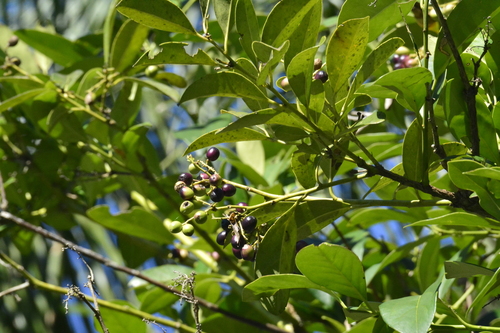
The fruit has a succulent pulp with a slightly sweet flavour. This report does not say that the fruit is edible. The fruit is an oval, purple drupe up to 18mm long and 15mm wide, containing a single seed.
Where to Find It
It is a tropical plant.
Argentina, Brazil, Paraguay, South America, Venezuela,
How to Identify
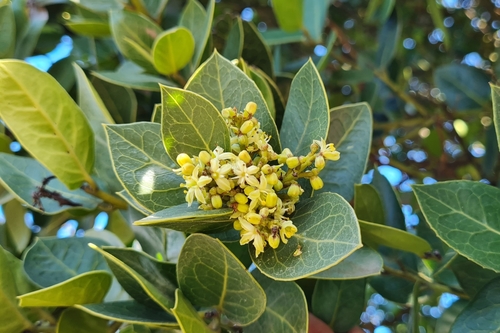
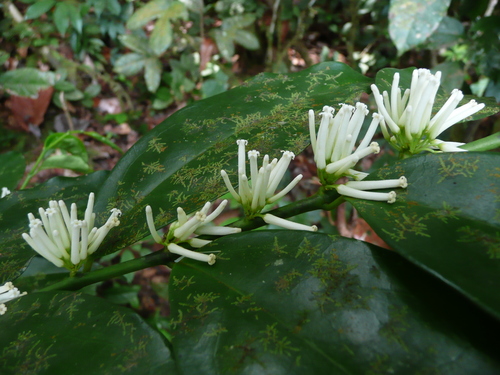
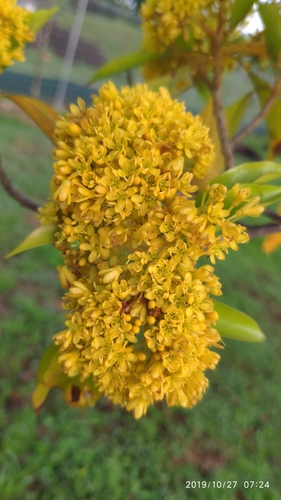
A tree. It keeps its leaves throughout the year. It grows 5-18 m tall. The trunk can be 30-40 cm across. The fruit is oval and purple. Tey are 1.8 cm long and 1.5 cm wide. It has one seed.
How to Grow
Prefers a position with some shade. A slow-growing plant, even when young.
Propagation: Seed - best sown as soon as it is ripe in a partially shaded position in a nursery seedbed. A low germination rate can be expected, with the seed taking more than 6 months to sprout. Air layering.
Other Uses
The heartwood and sapwood are not clearly demarcated. The wood is light in weight, easy to cut but of low durability if exposed to the elements. It is only used for making light packing boxes.
Production
It is slow growing.
References (1)
- Ferns, Useful Tropical Plants