Attalea seabrensis
Glassman

iNaturalist · cc-by-sa
(c) vitordematos12, some rights reserved (CC BY-SA)
(c) vitordematos12, some rights reserved (CC BY-SA)

gbif · cc-by-nc
Field Museum of Natural History - Botany Department | NSF/Mellon - GPI
Field Museum of Natural History - Botany Department | NSF/Mellon - GPI

gbif · cc-by-nc
Field Museum of Natural History - Botany Department | NSF/Mellon - GPI
Field Museum of Natural History - Botany Department | NSF/Mellon - GPI
What to Eat
Edible parts: Fruit, Seeds, Seeds - oil
The fruit and seeds are edible, and oil can be extracted from the seeds.
Where to Find It
It is a tropical plant.
Brazil, South America,
How to Identify
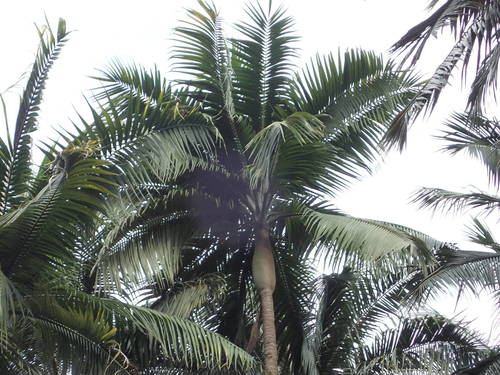
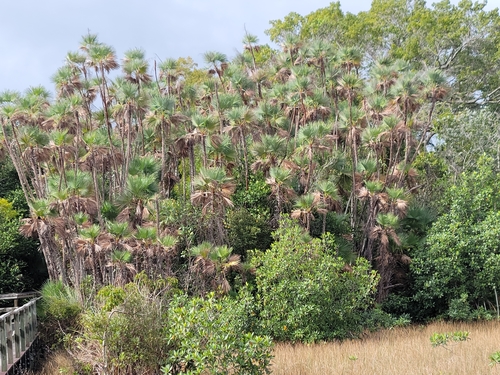
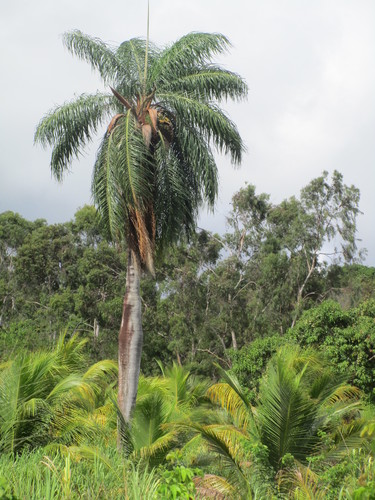
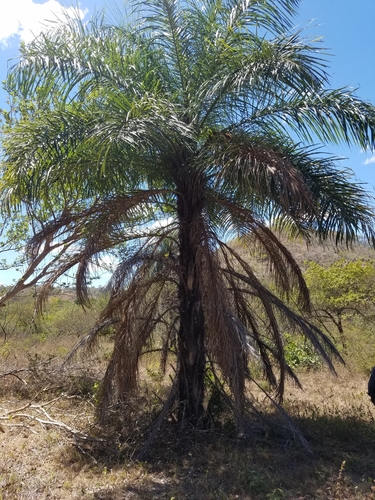
A palm. It grows 15-20 m tall. The trunk can be 25-40 cm across. The leaves are 4-6 m long with 150-200 side leaflets. There are 150-200 fruit. They are 6-9 cm long by 6-7 cm wide.
Other Uses
The leaves are used for thatching. The midrib of the leaf is used in the construction of doors and walls.
Names & Synonyms
Catole, Palmeira
References (1)
- Glassman, A Taxonomic Treatment of the Palm Subtribe Attaleinae (Tribe Cocoeae). p 47