Cassiope fastigiata
(Wall.) D. Don

iNaturalist · cc-by-nc
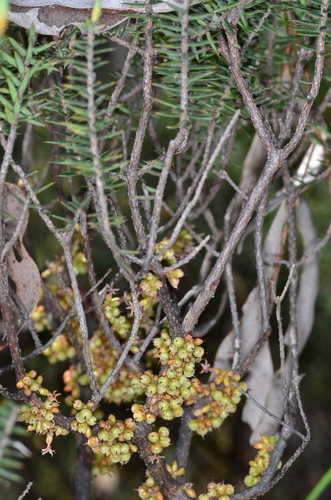
(c) Morten Ross, some rights reserved (CC BY-NC), uploaded by Morten Ross
(c) Morten Ross, some rights reserved (CC BY-NC), uploaded by Morten Ross
iNaturalist · cc-by-nc
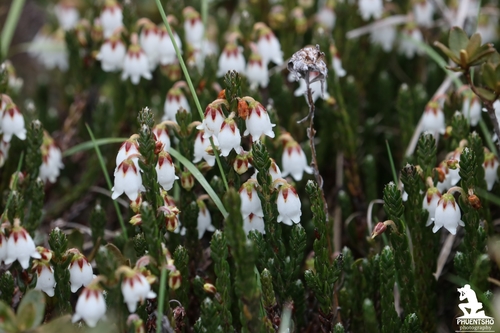
(c) Phuentsho, some rights reserved (CC BY-NC)
(c) Phuentsho, some rights reserved (CC BY-NC)

iNaturalist · cc-by-nc
(c) arnemart, some rights reserved (CC BY-NC)
(c) arnemart, some rights reserved (CC BY-NC)
What to Eat
Edible parts: Flowers - tea
The dried flowers are brewed as tea.
Where to Find It
It is a temperate plant. In the Himalayas it grows between 300-4,500 m above sea level.
Asia, China, Himalayas, India,
Countries: United Arab Emirates, Afghanistan, Armenia, Azerbaijan, Bangladesh, Bahrain, Brunei, Bhutan, China, Georgia, Indonesia, Israel, India, Iraq, Iran, Jordan, Japan, Kyrgyzstan, Cambodia, North Korea, South Korea, Kuwait, Kazakhstan, Laos, Lebanon, Sri Lanka, Myanmar, Mongolia, Maldives, Malaysia, Nepal, Oman, Philippines, Pakistan, Qatar, Saudi Arabia, Singapore, Syria, Thailand, Tajikistan, Timor-Leste, Turkmenistan, Turkey, Taiwan, Uzbekistan, Vietnam, Yemen
How to Identify
A small shrub. It grows 8-20 cm tall. The stems hang down and become branched. They have white hairs. The leaves are oval to triangle shaped and 4-6 mm long by 1.5-2 mm wide. They are leathery and deeply furrowed on top. The flowers droop. They are purple and white. The fruit is a capsule 2-3 mm across.
Medicinal Uses
The dried flowers are used for tea.
Names & Synonyms
Tolo, Ucho
Andromeda fastigiata Wall.
References (2)
- Chauhan, J., Negi, AK., Rajasekaran, A., Nazir, Ap., 2013, 'Wild edible plants as emerging ethanomedicines from the Kinnaur Distsict of Himachal Pradesh, India', Journal of Non-Timber Forest Products, 20(4), 273-280.
- Wild edible plants of Himachal Pradesh