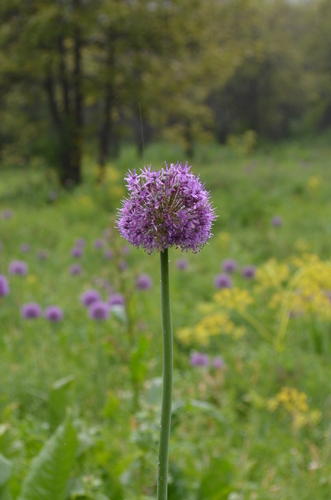
Boophone disticha
(L.f.) Herb.

(c) wendymtaylor, some rights reserved (CC BY-NC), uploaded by wendymtaylor
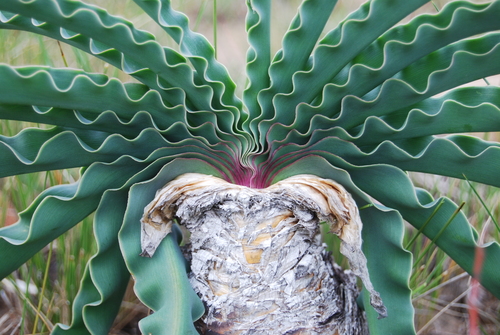
(c) Andrew Higgs, some rights reserved (CC BY-NC), uploaded by Andrew Higgs
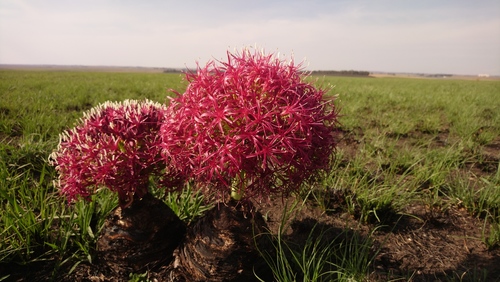
(c) Casper van Zyl, some rights reserved (CC BY-NC), uploaded by Casper van Zyl
What to Eat
Edible parts: Caution
Known Hazards
Documented Toxic Effects
Source: Encyclopedia of Life TraitBank. Toxicity often varies by plant part — consult the hazards section above for preparation-specific details.
Where to Find It
It is a tropical plant.
Africa, Angola, Botswana, East Africa, Kenya, Malawi, Mozambique, South Africa, Southern Africa, Tanzania, Uganda, Zambia,
How to Identify
A bulb plant in the Amaryllidaceae family found in tropical regions.
How to Grow
Boophone disticha is native to warm, dry climates with a well defined dry season, occurring mainly in summer rainfall regions in its native range. It is not cold tolerant and can be killed at temperatures lower than around 4°c. This plant thrives in full sun in well-drained, sandy soils and also grows in rocky areas. The plants seem to grow equally well in well-drained, sandy soil and in hard ground, but they take a long time to flower after being moved. A very drought-tolerant, spring-flowering species that will flower even if it does not receive any water in winter. The plant can survive fires in its native range, and the seeds actually germinate very quickly if they fall on recently burnt land. In cultivation, the bulb should be planted in such a way that the neck and part of the bulb show above the ground. The bulbs do not produce flowers until they are quite large. The plant produces flowers whilst leafless. The short flowering stem can support 100 or more flowers.The colour of flowers varies from shades of pink to red and are sweetly scented. The pedicels (flower stalks) elongate after flowering to form a large seedhead. This breaks off at the top of the scape (stalk) and tumbles across the veld dispersing the seed, which germinate immediately if in burnt soil. The large, round, sweetly scented flowerheads attract bees and flies, which pollinate the flowers. The plants also receive visits from ants.
Propagation: Seed - best sown as soon as it is ripe.
Medicinal Uses
Boophone disticha has many medicinal uses, for example traditional healers use it to treat pain and wounds. It is, however, a very toxic plant and its internal use should be avoided unless administered by a skilled and knowledgeable practitioner. The dry outer scales of the bulb ae the main part used medicinally. They are analgesic, hypotensive, narcotic and vasodilatory. Although very toxic, a weak decoction is sometimes drunk or taken as an enema to treat various complaints including headaches, abdominal pain, weakness and eye conditions. Very weak decoctions are an effective sedative, though higher doses induce visual hallucinations, which are sometimes used for divination purposes. Even higher doses can be fatal. The scales are more commonly applied externally (often mixed with water, milk or oil) to treat conditions such as boils or septic wounds, in order to alleviate the pain and draw out the pus[. They are also used as an outer dressing after circumcision. Fresh leaves are applied topically to stop bleeding of wounds. Numerous alkaloids have been isolated from the plant. Buphanidrin is one of the main compounds, it has been shown to be an effective analgesic, but the effective dose and lethal dose are too close for the compound to be used therapeutically.
Other Uses
The bulb yields a fibre.
Wikipedia
Source ↗Boophone disticha is a bulbous tropical and subtropical flowering plant, native to Africa. It is commonly called the century plant or tumbleweed. The bulb contains alkaloids with analgesic and hallucinogenic properties and has a wide range of uses in traditional African medicine, as well as being used to make an arrow poison.
Names & Synonyms
References (1)
- World Checklist of Useful Plant Species 2020. Royal Botanic Gardens, Kew